
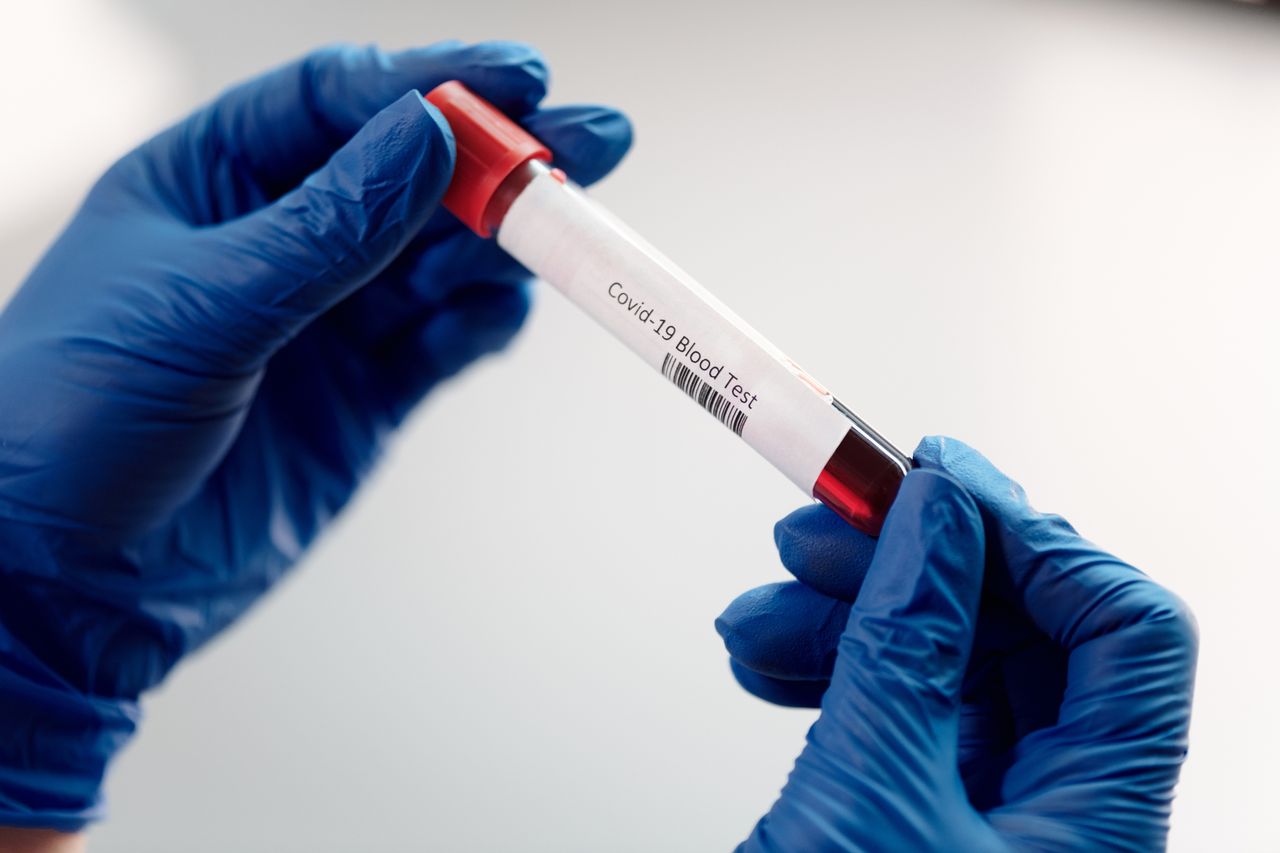
The World Health Organization has added the first molecular diagnostic test for Bundibugyo virus to its Emergency Use Listing. This test rapidly detects the virus's genetic material in blood samples, aiding in confirming infections amidst a large outbreak.
Key facts
- •The World Health Organization added the first molecular diagnostic test for Bundibugyo virus to its Emergency Use Listing.
- •The test detects the virus's genetic material in blood samples for rapid and accurate infection confirmation.
- •A public health emergency of international concern for BDBV Ebola was declared on May 17, 2026, in the Democratic Republic of the Congo and Uganda.
- •The current outbreak is the largest recorded for Ebola disease caused by Bundibugyo virus.
- •As of today, 1406 laboratory-confirmed cases and 438 deaths have been reported in the Democratic Republic of the Congo.
- •Laboratory testing capacity for BDBV has expanded to over 2000 tests per day across 10 laboratories in affected provinces.
The World Health Organization (WHO) has added the first molecular diagnostic test for Bundibugyo virus (BDBV) to its Emergency Use Listing (EUL). This test is designed to detect the virus by identifying its genetic material in blood samples, enabling rapid and accurate confirmation of infection. The listing comes as countries are responding to the largest recorded outbreak of Ebola disease caused by BDBV, which continues to expand.
By the numbers
Emergency Use Listing Procedure
WHO's EUL procedure evaluates the quality, safety, and performance of essential health products based on available evidence. It ensures these products meet minimum international standards and address the needs of low- and middle-income countries. The mechanism aims to accelerate access to reliable diagnostic tools for early case detection, timely clinical care, disease surveillance, and effective outbreak response. Dr. Yukiko Nakatani, WHO Assistant Director-General for Health Systems, Access and Data, stated that public health emergencies require both speed and confidence in health product standards, and timely access to quality-assured diagnostic tests can critically contain transmission.
Current Outbreak and Response
On May 17, 2026, WHO Director-General Dr. Tedros Adhanom Ghebreyesus declared a public health emergency of international concern due to the Ebola disease outbreak caused by Bundibugyo virus in the Democratic Republic of the Congo, with cases also in Uganda. Less than two weeks later, WHO called for manufacturers of in vitro diagnostics (IVDs) for Bundibugyo virus to submit Expressions of Interest for EUL. As of today, the Democratic Republic of the Congo alone has reported 1406 laboratory-confirmed cases and 438 deaths from this outbreak.
Expanded Testing Capacity and Future Efforts
With support from WHO and the Africa Centres for Disease Control and Prevention (Africa CDC), laboratory testing capacity has significantly expanded. It grew from a limited number of sites, primarily Institut National de Recherche Biomédicale in Kinshasa and Goma, with an estimated combined capacity of 200–400 tests per day, to a network of 10 laboratories across affected provinces, now capable of over 2000 tests per day. Rapid and reliable diagnosis remains crucial for early case identification, patient care, and outbreak control. WHO continues to collaborate with manufacturers, global partners, and countries to increase the availability of safe, effective, and quality-assured health products, with additional EUL applications for BDBV IVDs currently under review.
Timeline
- 17 May 2026WHO Director-General declared a public health emergency of international concern over the Ebola disease outbreak caused by Bundibugyo virus in DRC and Uganda.
- Less than two weeks laterWHO launched a call for manufacturers of IVDs for Bundibugyo virus to submit Expressions of Interest for Emergency Use Listing.
- TodayWHO added the first molecular diagnostic test for Bundibugyo virus to its Emergency Use Listing.
This article was independently rewritten by ManyPress editorial AI from reporting originally published by WHO News.