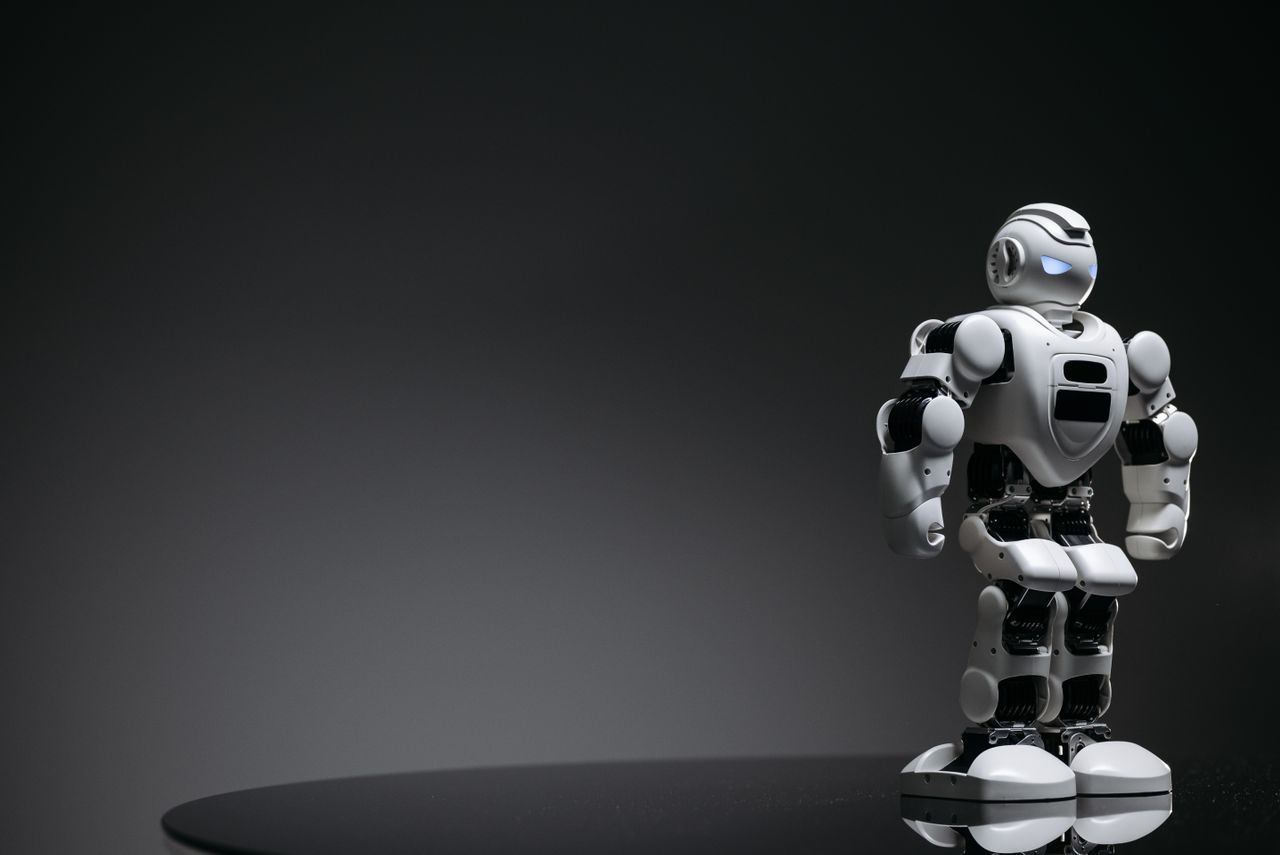
The United States has banned imports of foreign-made humanoid robots, citing national security concerns as part of a broader effort to limit China's technological growth.
Key facts
- •Morgan Stanley estimates the humanoid robot market could reach $5 trillion by 2050.
- •Projections suggest there could be more than one billion humanoid robots in use globally by 2050.
- •The US government cited national security as the basis for banning foreign-made humanoid robots.
- •US restrictions also target power inverters used in solar energy systems and data centers.
- •China currently produces robot components at a scale and price that competitors struggle to match.
The United States has implemented a ban on the import of foreign-made humanoid robots, citing national security as the primary reason. This action is part of a wider strategy to protect domestic industry and curb China's technological advancement in sectors including artificial intelligence, chips, and robotics.
Market Growth and Supply Chain
Humanoid robotics is transitioning from a laboratory-based field into a significant global market. Morgan Stanley projects that the industry could reach a value of $5 trillion by 2050, with more than one billion humanoid robots in use worldwide. Despite this growth, China remains a central hub in the global robotics supply chain. The country currently manufactures robot components at a scale and price point that international competitors find difficult to match.
Broader Trade Restrictions
In addition to the ban on humanoid robots, the United States has restricted the use of power inverters. These components are essential for the operation of data centers and solar energy systems.
Advertisement
This article was independently rewritten by ManyPress editorial AI from reporting originally published by Al Jazeera.