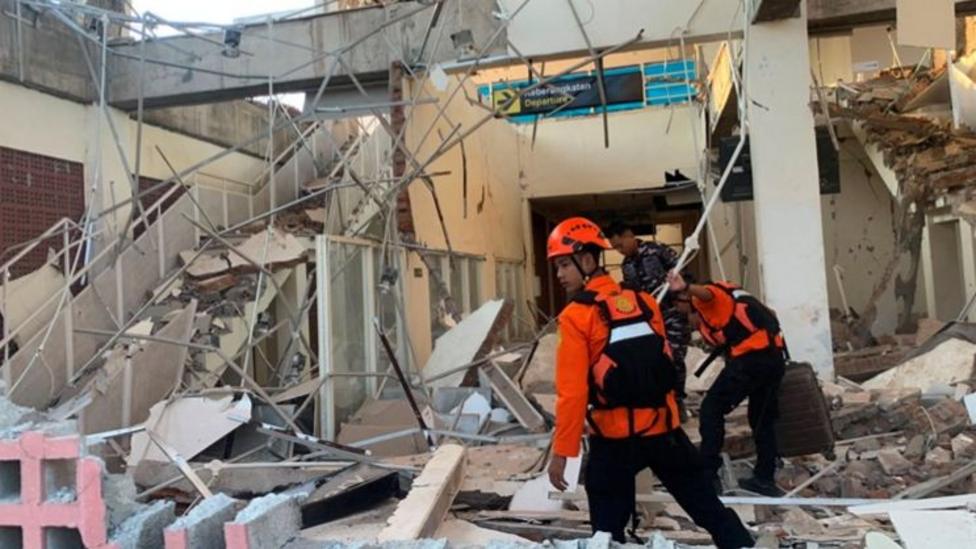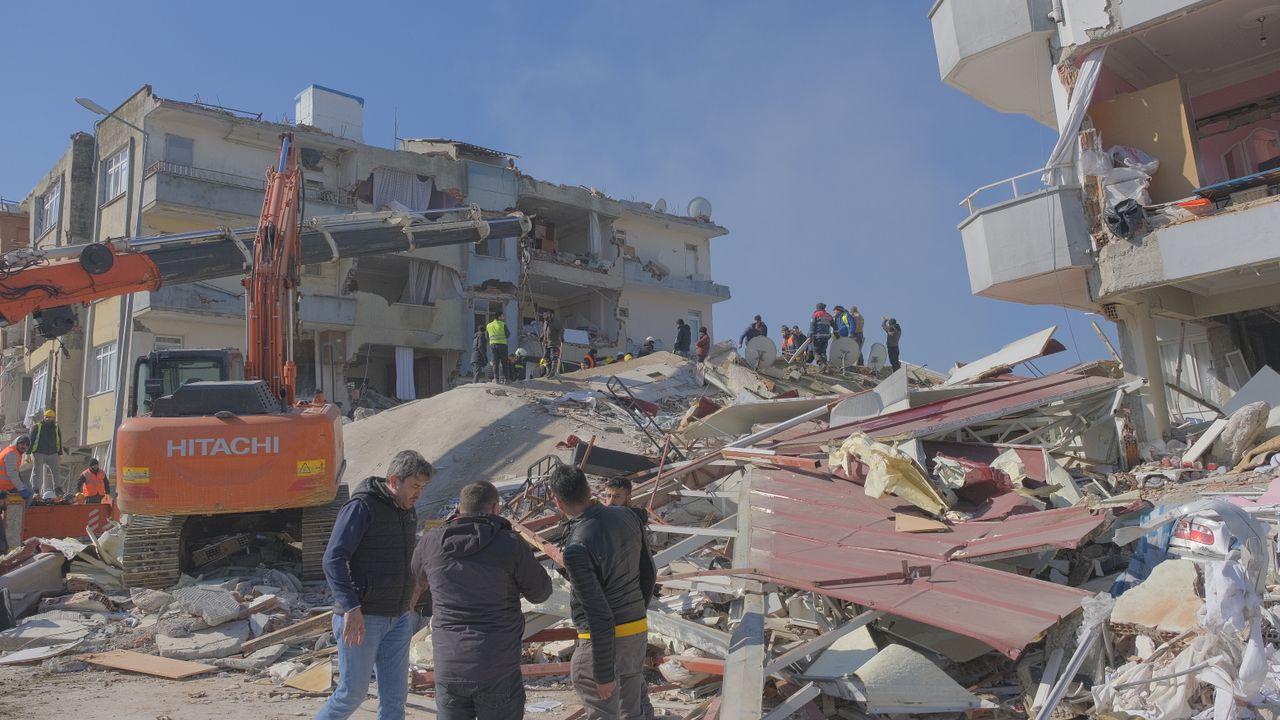
Israeli airstrikes in southern Lebanon have resulted in 11 deaths, marking the deadliest escalation since a June truce, while tensions between the U.S., Israel, and Iran remain high.
Key facts
- •The August 15 airstrikes in Lebanon are the deadliest since a precarious truce began on June 20.
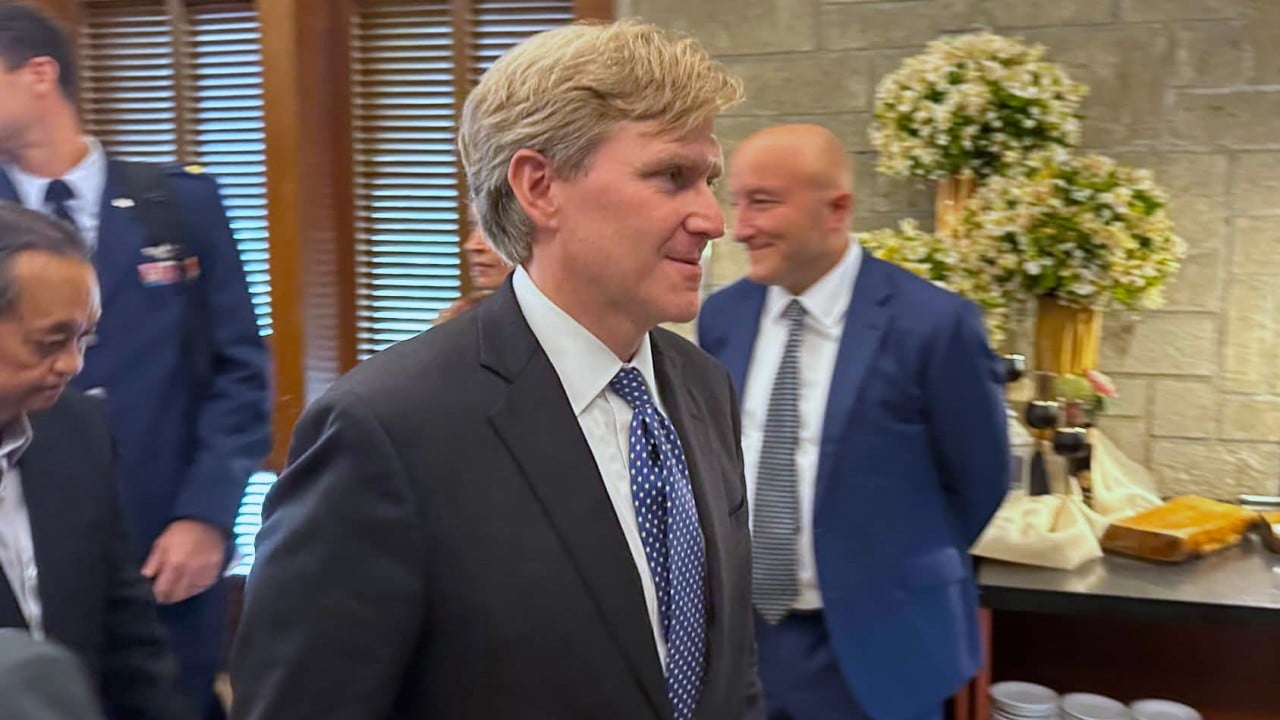
- •President Donald Trump stated that higher gasoline prices are a necessary cost to prevent Iran from obtaining nuclear weapons.
- •Hezbollah has rejected the framework agreement between Israel and the Lebanese government, which aims for the group's disarmament.
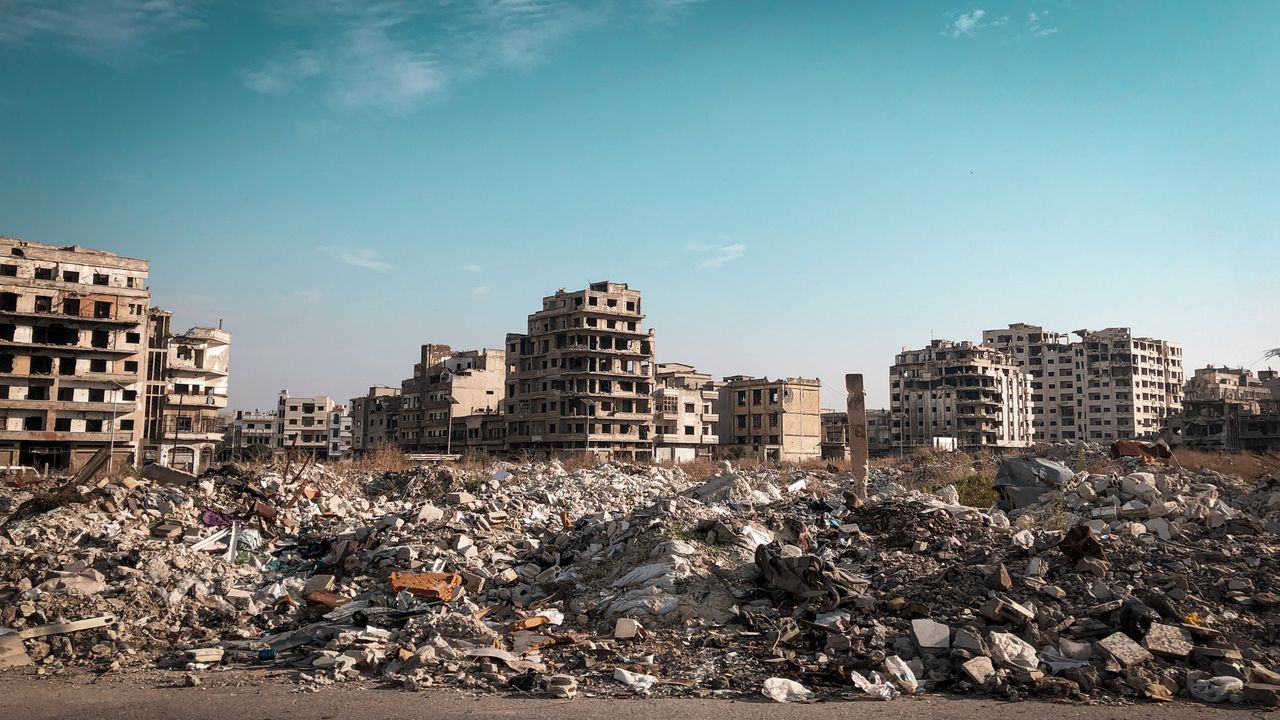
- •Since the war began on March 2, more than 4,000 people have been killed in Lebanon by Israeli strikes.
- •Iran continues to block the Strait of Hormuz, through which one-fifth of the world's oil exports passed prior to the conflict.
Israeli airstrikes on southern Lebanon killed at least 11 people on Saturday, August 15, 2026, marking the deadliest violence since a truce between Israel and Hezbollah began on June 20. The attacks targeted the villages of Ansar and Deir al-Zahrani. Simultaneously, diplomatic tensions remain high as Iran continues to enforce a blockade of the Strait of Hormuz, and President Donald Trump maintains his stance on the ongoing conflict with Iran.
By the numbers
Casualties in Southern Lebanon
Lebanese state media and the Health Ministry reported that an airstrike on a home in Ansar killed seven people, including three children, with two others wounded. A separate strike on the village of Deir al-Zahrani resulted in four deaths and 17 injuries. Additionally, Israeli forces conducted strikes on the strategic Ali Taher hill overlooking Nabatiyeh. Hezbollah has vowed an 'appropriate' response to the attacks and has urged the Lebanese government to cease negotiations with Israel.
Stalled Diplomacy and Regional Conflict
While Israel and the Lebanese government announced a framework agreement on June 26 for a potential withdrawal of Israeli forces and the disarmament of Hezbollah, the militant group has refused to participate in direct talks. Hezbollah has accused the Lebanese government of making excessive concessions. Meanwhile, Iran’s Deputy Foreign Minister Kazem Gharibabadi stated that Iran will continue to enforce a blockade of the Strait of Hormuz, a critical waterway for global oil exports, until the U.S. accepts what he termed a 'reality of defeat.'
Timeline
- February 28, 2026The U.S. and Israel launched the war on Iran.
- March 2, 2026The Israel-Hezbollah war erupted after Hezbollah fired rockets across the border.
- June 20, 2026A precarious truce between Israel and Hezbollah went into effect.
- June 26, 2026Israel and the Lebanese government announced a framework agreement for a potential withdrawal.
- August 15, 2026Israeli airstrikes in southern Lebanon killed 11 people.
Advertisement