International humanitarian law provides clear protections for medical staff and facilities, yet attacks on healthcare systems are increasing globally with little accountability.
Key facts
- •Lebanon ranks second globally for the number of healthcare workers killed in the past five years, with 569 deaths recorded.
- •The Geneva Conventions, signed in 1949, provide a universal legal framework protecting hospitals, medical workers, and ambulances.
- •MSF recorded 255 security incidents over the last decade, with 107 of those occurring directly within medical facilities.
- •In May, a quadruple-tap strike in Mayfadoun, Lebanon, resulted in the deaths of four medics and the wounding of six others.
- •The International Humanitarian Fact-Finding Commission, founded in 1991, has launched investigations into only two localized incidents to date.
Healthcare workers in conflict zones from Lebanon to Gaza are facing an unprecedented rise in attacks, according to reports from humanitarian organizations. Despite established international laws intended to protect medical personnel and facilities, experts note a growing trend of impunity and the normalization of violence against those providing essential care.
By the numbers
Targeting of Medics in Lebanon
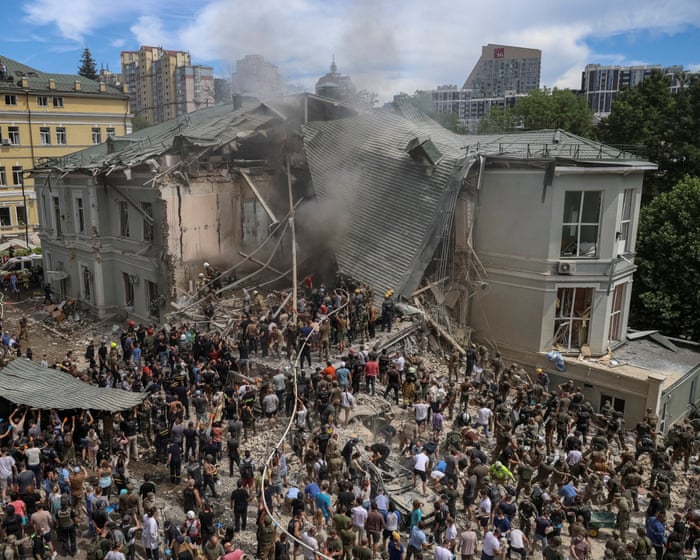
In Lebanon, the targeting of healthcare workers has been described as consistent during recent conflicts. Since fighting escalated in March, at least 135 Lebanese medics have been killed, with nearly 400 others injured. Reports indicate a pattern of "double-tap" strikes, where initial attacks are followed by subsequent strikes once paramedics arrive at the scene to provide aid. Some healthcare officials suggest these actions are part of a strategy to degrade the ability to sustain life in specific areas, potentially to force population displacement.
The Failure of International Humanitarian Law
International humanitarian law (IHL), codified in the 1949 Geneva Conventions, grants special status to medical units, patients, and healthcare workers. While these laws mandate that parties must respect and protect medical infrastructure, legal experts argue the issue is a lack of political will to implement these existing frameworks. Although mechanisms for accountability exist, such as the International Humanitarian Fact-Finding Commission and the International Criminal Court, they are rarely utilized to address the systematic targeting of medical facilities.
Global Trends in Medical Attacks
Data from the World Health Organization and the Safeguarding Health in Conflict Coalition show that incidents affecting healthcare have more than doubled globally since 2021. Medical facilities in countries including Ukraine, Sudan, Gaza, and Myanmar have been subjected to raids, destruction, and sieges. Experts warn that the current environment of silence and lack of outcry regarding these violations marks a shift from previous periods of condemnation toward a dangerous normalization of attacks on healthcare.
Timeline
- 1949The Geneva Conventions were signed to establish legal protections for medical workers and facilities.
- 1991The International Humanitarian Fact-Finding Commission was founded.
- 2015A US attack on an MSF trauma center in Kunduz, Afghanistan, killed 42 people.
- 2016UN Resolution 2286 was passed to denounce attacks on healthcare.
- March 2024Fighting escalated in Lebanon, leading to a surge in casualties among medical personnel.
Advertisement
This article was independently rewritten by ManyPress editorial AI from reporting originally published by The Guardian Health.