Following recent rescue operations, questions have emerged regarding whether Croatia should use its Early Warning and Crisis Management System to alert tourists about dangerous weather conditions.
Key facts
- •Four Portuguese nationals were rescued after their 1.5-meter inflatable boat was caught in strong bura winds.
- •In late July, a foreign national on a SUP board was carried by wind from Karlobag to the coast of Pag.
- •The Croatian Meteorological and Hydrological Service (DHMZ) director is authorized to trigger SRUUK alerts for severe weather.
- •SRUUK functions as a technical delivery tool that sends messages to all mobile devices within a designated geographic area.
- •Local civil protection headquarters can request system activation for extraordinary events through regional 112 centers.
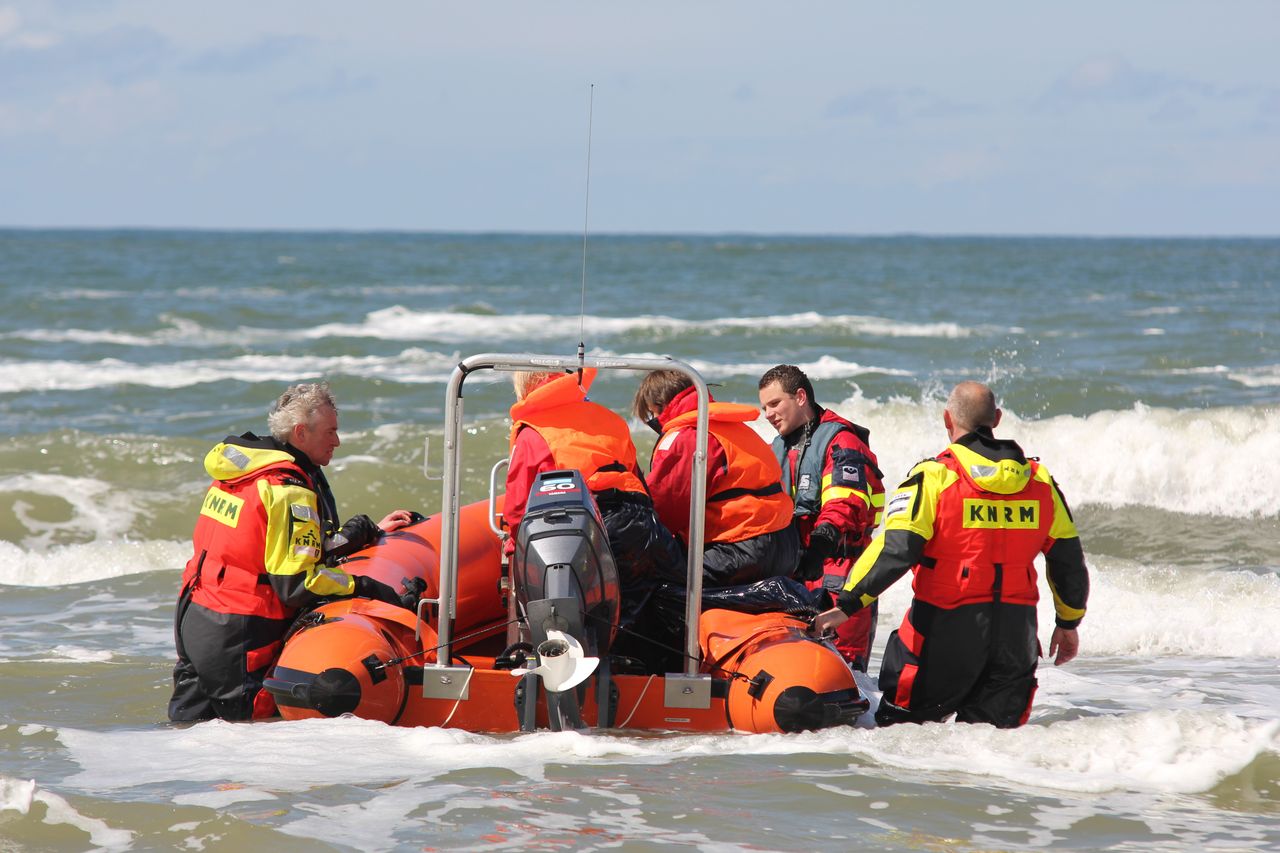
Recent incidents involving tourists caught in strong bura winds have prompted calls for the Croatian government to utilize the Early Warning and Crisis Management System (SRUUK) to issue weather alerts. Four Portuguese nationals recently required rescue after their small boat was swept away, and a similar incident occurred in late July involving a paddleboarder. These events have led to inquiries regarding whether the system could be used to warn visitors of specific environmental risks.
How the SRUUK System Operates
The Civil Protection Directorate clarified that SRUUK serves as a technical tool for disseminating information rather than an institution that independently assesses risk. The system is governed by an ordinance that dictates which authorities can initiate a warning based on the nature of the threat. For instance, the director of the Croatian Meteorological and Hydrological Service (DHMZ) holds the authority to trigger alerts for severe weather phenomena, such as the stormy bura winds common in the Velebit Channel. Once a designated authority makes a decision, they provide the message text to the Civil Protection Directorate. The directorate then coordinates with mobile operators to broadcast the alert to all mobile devices located within the specific area identified as threatened.
Authority and Decision-Making Protocols
Responsibility for initiating warnings is distributed among various specialized institutions. Flood defense managers, fire commanders, and police directors are authorized to trigger the system for their respective areas of expertise. Additionally, local civil protection headquarters can request an alert for extraordinary events by submitting a request to their regional 112 center. Other data sources for the system include institutions focused on hydrology, seismology, public health, and geology, which primarily utilize traditional media, websites, and social channels for public communication.
Advertisement
This article was independently rewritten by ManyPress editorial AI from reporting originally published by Total Croatia News.