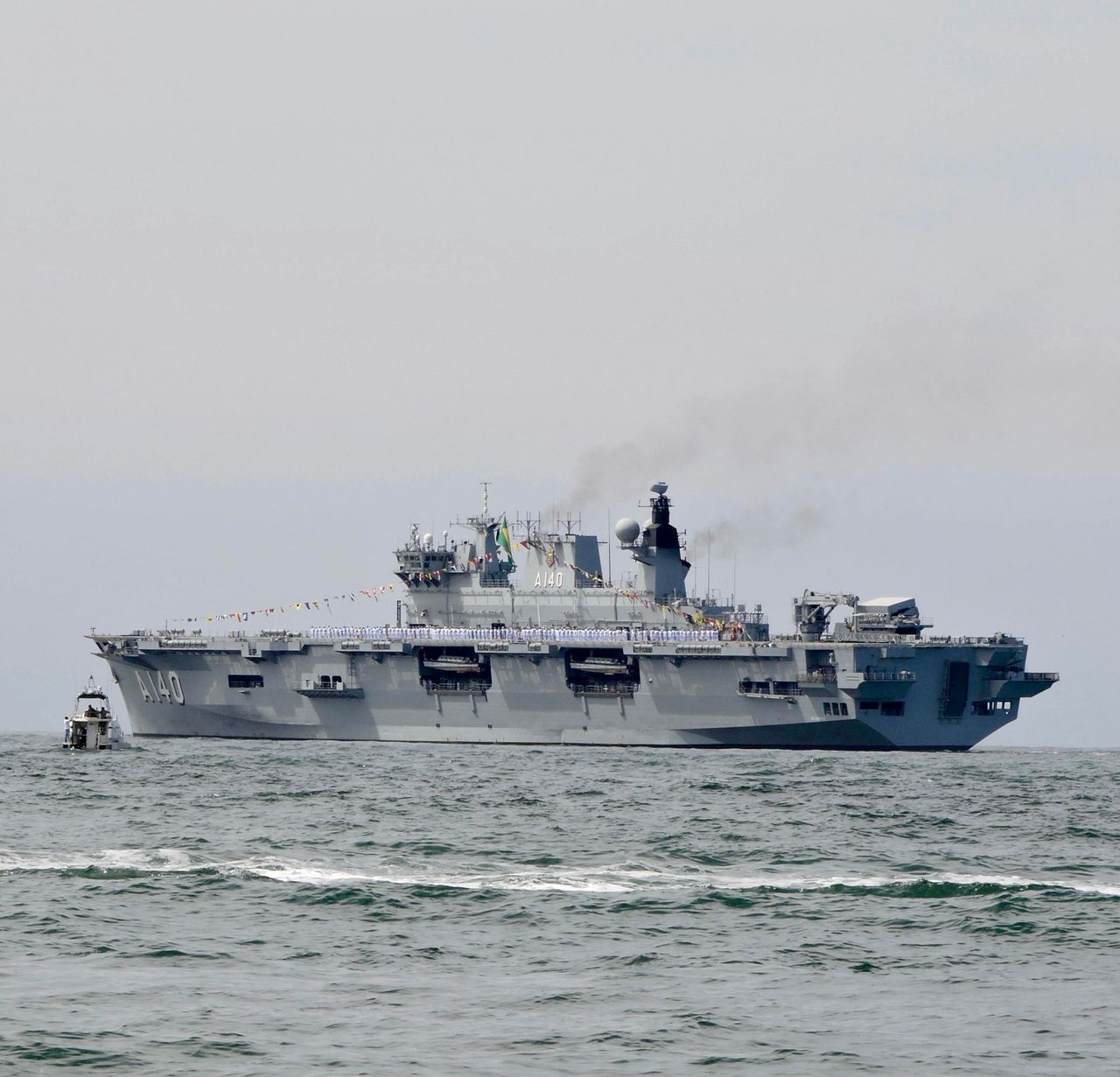
The U.S. has shifted tactics to target Iran's finances through a maritime blockade and new sanctions, while President Trump rules out immediate negotiations.

Key facts
- •U.S. military strikes on Iranian soil tapered off in August after a high frequency of exchanges in July.
- •Treasury Secretary Scott Bessent characterized the current sanctions as the most extensive in history.
- •The United Arab Emirates suspended trade and financial ties with Iran on August 19.
- •President Donald Trump confirmed that no diplomatic talks with Iran are scheduled.
- •North Korea issued protests regarding the U.S.-South Korean Ulchi Freedom Shield military exercises.
Following a period of frequent military exchanges in July, U.S. strikes on Iranian soil decreased in August. The U.S. has transitioned to a strategy focused on economic isolation, utilizing a maritime blockade and sanctions that Treasury Secretary Scott Bessent described as unprecedented in history.
Economic Measures and Regional Impact
The U.S. strategy aims to strain Iran's economy by targeting oil sales and other exports. This pressure is compounded by the United Arab Emirates' August 19 announcement that it would suspend trade and financial links with Iran.
Prospects for Conflict and Diplomacy
President Donald Trump stated that no negotiations with Iran are currently occurring or scheduled. There is concern that these economic measures could lead Iran to retaliate by targeting shipping in the Strait of Hormuz or attacking U.S. assets and allies.
Timeline
- JulyFrequent military exchanges occurred between the U.S. and Iran.
- AugustU.S. strikes on Iranian soil tapered off as the strategy shifted to economic pressure.
- August 19The United Arab Emirates announced the suspension of trade and financial links with Iran.
Advertisement
This article was independently rewritten by ManyPress editorial AI from reporting originally published by War on the Rocks.