American forces bombed Iranian sites for an eighth consecutive night following a deadly attack in Jordan, while Iran targeted regional infrastructure and abandoned a recent peace agreement.
Key facts
- •The U.S. strike campaign has continued for eight consecutive nights.
- •Iranian authorities reported 50 deaths and 517 injuries resulting from the most recent American strikes.
- •Kuwait’s electricity ministry confirmed a second attack on a desalination plant that provides 90 percent of the country's drinking water.
- •The International Atomic Energy Agency confirmed the Darkhovin nuclear site holds no nuclear material.
- •Oil flows through the Strait of Hormuz are currently at approximately 14 million barrels per day.
U.S. forces conducted an eighth night of airstrikes against Iran, targeting Islamic Revolutionary Guard Corps facilities in response to a Friday attack in Jordan that killed two American service members. Simultaneously, Iran struck U.S. allies across the Persian Gulf, including a power and water desalination plant in Kuwait. The escalation follows the collapse of an interim peace deal intended to secure the Strait of Hormuz, with both nations accusing the other of violating the agreement.
By the numbers
Military Strikes and Regional Impact
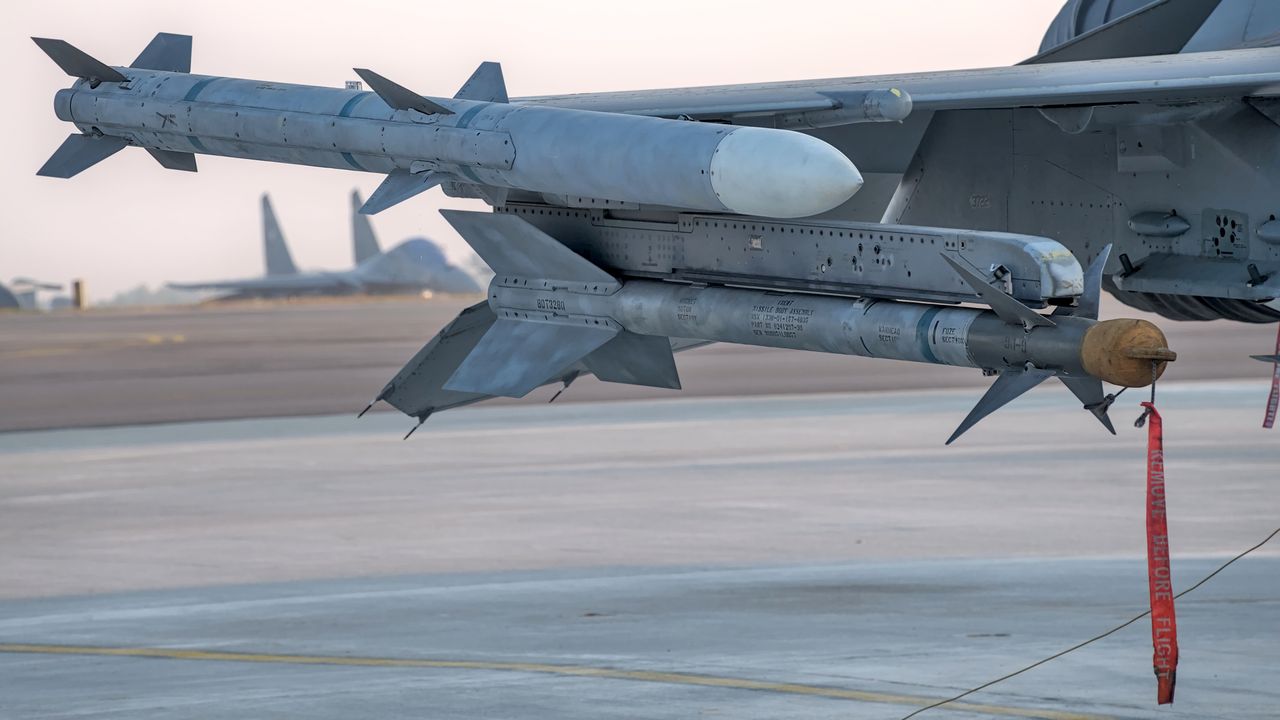
U.S. Central Command stated that the latest strikes targeted Iranian coastal surveillance, air defense, maritime capabilities, and missile and drone storage. Iran’s military command warned of a "devastating response" to U.S. actions. In the region, Kuwait reported a second strike in two days on a desalination plant, while Jordan intercepted three of four incoming missiles. Israel issued warnings regarding potential spillover into its territory near the port of Aqaba.
Status of the Strait and Nuclear Sites
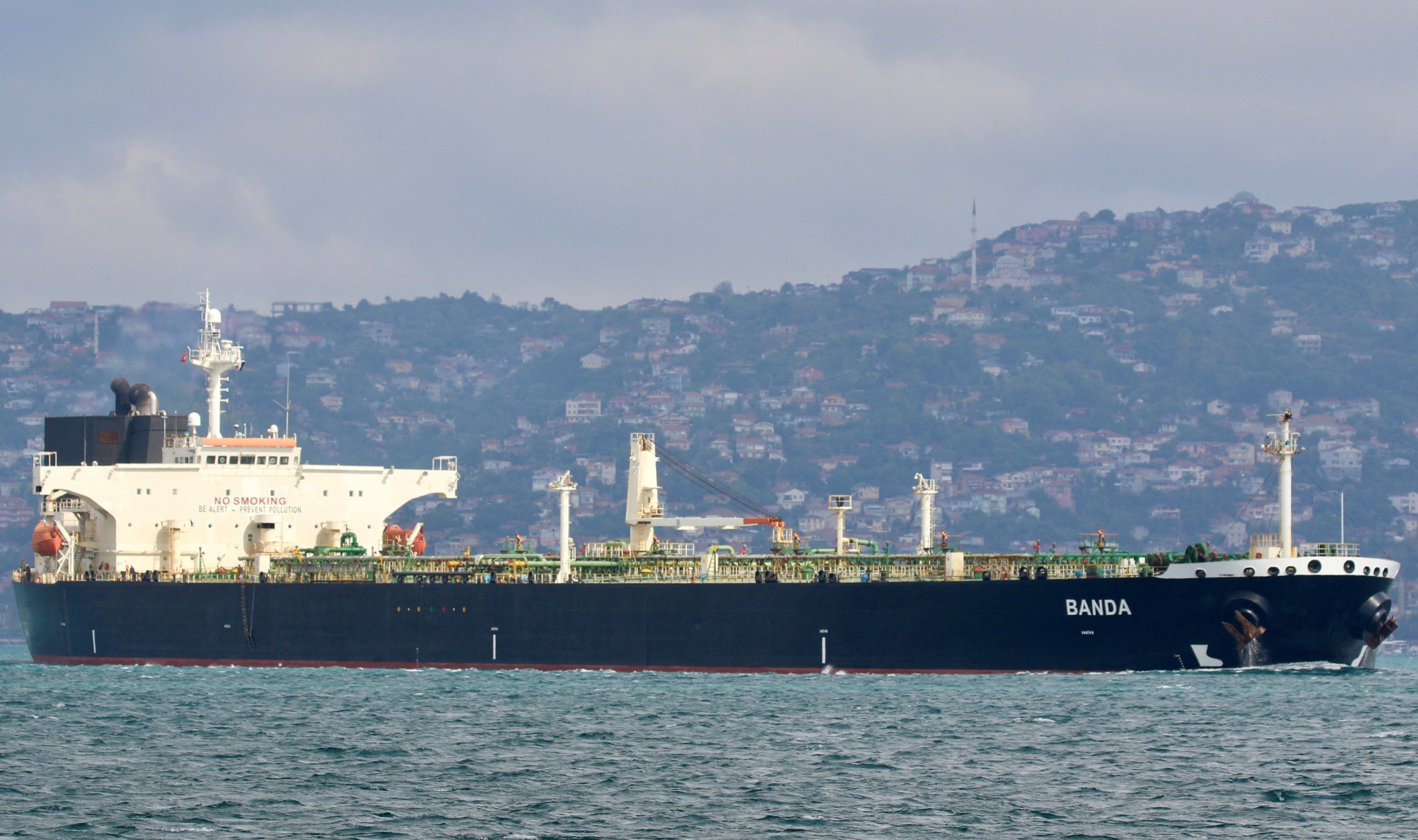
U.S. Energy Secretary Chris Wright reported that oil flows through the Strait of Hormuz continue at nearly 14 million barrels per day, representing two-thirds of pre-conflict levels. Meanwhile, Iran’s atomic energy agency claimed U.S. strikes hit the unfinished Darkhovin nuclear power plant. The International Atomic Energy Agency confirmed the site is under construction, contains no nuclear material, and presents no radiological risk.
Diplomatic Breakdown
The interim agreement, which aimed to reopen the Strait of Hormuz, is now considered dead. Iran announced it is suspending its commitments, citing alleged U.S. violations. Iranian Supreme Leader Mojtaba Khamenei dismissed President Donald Trump’s signature on the deal as "worthless," while President Trump stated he "couldn’t care less" about Tehran’s withdrawal from the accord.
Timeline
- FridayAn attack in Jordan killed two American service members.
- SaturdayIran announced it was suspending its commitments to the interim peace deal.
- SundayU.S. strikes concluded early in the morning following an eighth night of bombing.
Advertisement
This article was independently rewritten by ManyPress editorial AI from reporting originally published by Politico Europe.