
Ukrainian forces targeted two Russian oil refineries hundreds of miles from the border, while Russia continues its own strikes on Ukrainian infrastructure and shipping.
Key facts
- •The Slavneft-Yanos refinery in Yaroslavl processes approximately 15 million tons of crude oil annually.
- •The Slavneft-Yanos facility employs more than 3,500 people.
- •Russian authorities have implemented restrictions on domestic petrol sales due to the impact of strikes on refineries and logistics.
- •Russian forces have increased missile strikes on Ukrainian cities, reportedly targeting gaps in Kyiv's ballistic missile interceptor capabilities.
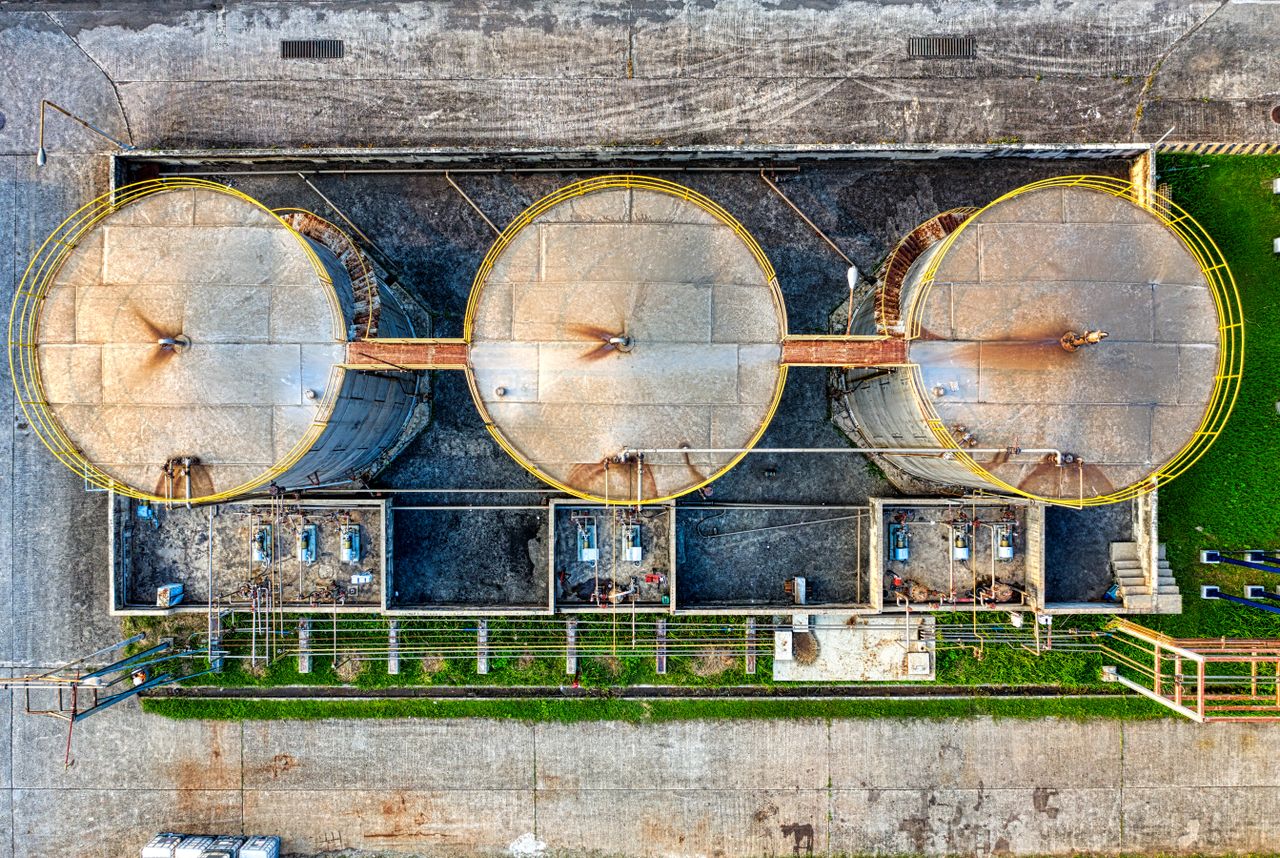
Ukraine's military launched long-range drone strikes on Thursday against the Bashneft-Novoil refinery in Bashkortostan and the Slavneft-Yanos refinery in the Yaroslavl region. President Volodymyr Zelenskyy stated the attacks aim to limit Russian oil revenues used to fund the war. The Yaroslavl facility, located approximately 170 miles northeast of Moscow, is one of Russia's largest refineries.
By the numbers
Impact on Yaroslavl Refinery
Yaroslavl regional governor Mikhail Evraev reported that the area faced its largest drone attack to date, with 93 drones neutralized by air defense and electronic warfare systems. Falling debris ignited a fire at the refinery's storage tanks. While there were no fatalities, four individuals sustained injuries during the incident.
Broader Conflict Developments
Beyond energy infrastructure, Ukraine has recently targeted the Russian retail company Wildberries. In the Black Sea, Ukraine reported striking two Russian military patrol boats and shadow fleet vessels in response to Russian attacks on shipping. Separately, a Russian strike on a Guinea-Bissau-flagged ship carrying Ukrainian wheat resulted in one death and three injuries, forcing the crew to evacuate.
Advertisement
This article was independently rewritten by ManyPress editorial AI from reporting originally published by CNBC Europe.