The historic Hertfordshire estate, once a luxury retreat and later a secret WWII prisoner-of-war facility, has been restored and opened to the public as a museum.
Key facts
- •Trent Park House was built on land leased by George III to Sir Richard Jebb in the 1770s.
- •Philip Sassoon transformed the house into a party venue in the 1920s before it was seized by the government in 1939.
- •German-speaking Jewish refugees were employed to transcribe conversations recorded from the bugged prisoner-of-war facility.
- •Intelligence gathered at the site helped the British military counter German V2 rocket technology and aircraft communication systems.
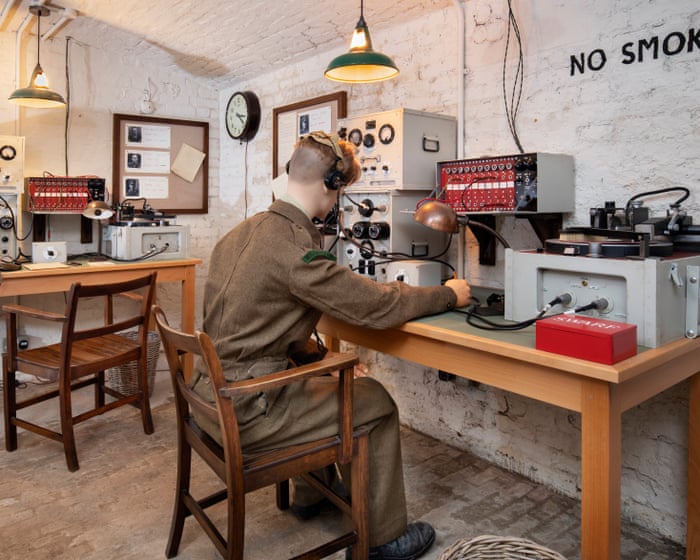
- •The museum features a recreated basement station with period-accurate equipment and furnishings.
Trent Park House in Hertfordshire has been restored and opened as a museum, showcasing its history as both a luxury estate and a clandestine intelligence site during World War II. After the death of owner Philip Sassoon in 1939, the British government repurposed the mansion as a prisoner-of-war camp for high-ranking German generals. The site now features a recreated basement where German-speaking refugees once monitored and recorded the prisoners' conversations.
From Luxury Estate to Spy Hub
Originally built in the 1770s, the house underwent several transformations under the Bevan and Sassoon families. Philip Sassoon, a prominent socialite, remodeled the property in the 1920s into a lavish retreat frequented by figures such as Winston Churchill and Wallis Simpson. Portraits of Philip and his sister Sibyl by John Singer Sargent remain in the library, which features a secret entrance leading to the basement. During the war, the house served as a sophisticated intelligence operation. While German generals were kept in comfortable conditions to encourage them to speak freely, the entire property—including the garden rose bushes—was bugged. These recordings provided critical intelligence to the Bletchley Park Enigma code-breaking team, including details on German ballistics and V2 rocket technology.
Museum Experience and Historical Legacy
The museum has recreated the basement environment, complete with period-appropriate equipment, to illustrate the work of the listeners. The exhibits also address the complexities of the intelligence gathered, noting that while some information helped the Allied war effort, authorities chose not to use recordings of conversations regarding German atrocities during the Nuremberg trials to protect the secrecy of their technology. Beyond its wartime role, the house reflects broader shifts in English history, moving from a Georgian retreat to a Victorian mansion, through wartime austerity, and eventually to a period of postwar dereliction before its current revival.
Timeline
- 1770sThe house was built after George III leased land to Sir Richard Jebb.
- 1920sPhilip Sassoon remodeled the property into a luxury country house.
- 1939The government acquired the house for use as a prisoner-of-war camp.
Advertisement
This article was independently rewritten by ManyPress editorial AI from reporting originally published by The Guardian Culture.