
Technological advancements in precision-strike weapons are making traditional, manned amphibious assaults increasingly risky, prompting a shift toward uncrewed systems.
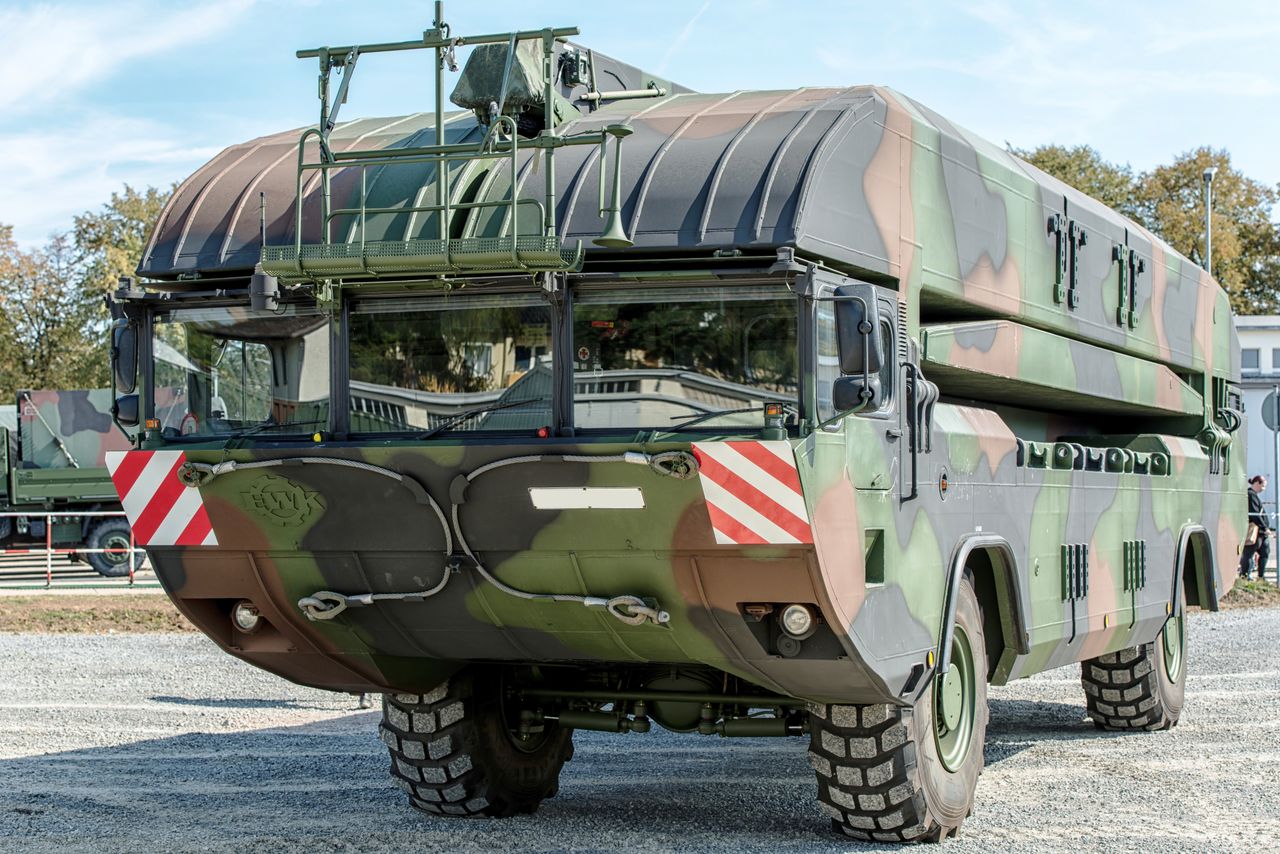
Key facts
- •The last major opposed amphibious assault by a brigade-sized element against a defended area was Sri Lanka's Operation Balavegaya in 1991.
- •Ukrainian forces conducted an unmanned amphibious assault on July 13, 2026, using an uncrewed boat and a remote-controlled ground vehicle.
- •Gen. Norman Schwarzkopf canceled an amphibious landing during Operation Desert Storm due to concerns over Iraqi naval mines and Exocet missiles.
- •The Falklands War served as a turning point where the vulnerability of naval task forces to precision strikes became a primary concern for military planners.
- •Uncrewed amphibious forces allow attackers to reproduce equipment rapidly and mitigate the political risks associated with losing human lives in combat.
Modern precision-strike capabilities have made traditional, large-scale amphibious assaults increasingly perilous for human-crewed forces. As surveillance and long-range strike weapons become more accessible, military planners are finding that the risk of losing ships and personnel often renders such operations politically and operationally untenable. Consequently, the use of unmanned systems is emerging as a potential solution to transfer and transform the risks associated with the initial, most vulnerable phase of an amphibious landing.
The Challenge of Modern Amphibious Operations
Amphibious assaults are inherently complex, requiring coordination between naval, air, and ground forces. The landing force is most vulnerable while embarked and moving toward the shore, where it remains a lucrative, stationary target for defenders. Historically, success in these operations relied on achieving surprise, local control of the sea and air, and overwhelming firepower. However, the proliferation of affordable, long-range precision-strike weapons has significantly shifted the advantage to the defender, who only needs to succeed once to threaten the entire operation.
Historical Context and Risk Aversion
The difficulty of conducting opposed landings has been evident since the Falklands War, where British naval forces faced significant threats from air and missile attacks. This risk influenced later planning, such as during Operation Desert Storm, where Gen. Norman Schwarzkopf scrapped plans for an amphibious assault on Kuwait City due to the threat of naval mines and anti-ship missiles. More recently, Russia abandoned plans for an amphibious assault on Odesa after the loss of the flagship Moskva, and China has not attempted an amphibious landing on Taiwanese territory since 1955.
The Rise of Uncrewed Assaults
On July 13, 2026, the Ukrainian military demonstrated a potential shift in tactics by conducting an unmanned amphibious assault. The operation involved an uncrewed boat that landed on a beach and deployed an unmanned ground vehicle capable of remote-controlled fire. By removing human personnel from the initial landing phase, militaries could potentially execute assaults without the political cost of human casualties. While current unmanned operations remain small, experts suggest that scaling these forces to the size of a brigade could be feasible within one or two years.
Timeline
- 1955China last attempted an amphibious assault on Taiwanese territory.
- 1991Sri Lankan forces conducted Operation Balavegaya, the last major opposed amphibious assault on record.
- March 2025The United States conducted Operation Rough Rider against Houthi targets.
- July 13, 2026The Ukrainian military executed the first completely unmanned amphibious assault.
Advertisement
This article was independently rewritten by ManyPress editorial AI from reporting originally published by War on the Rocks.