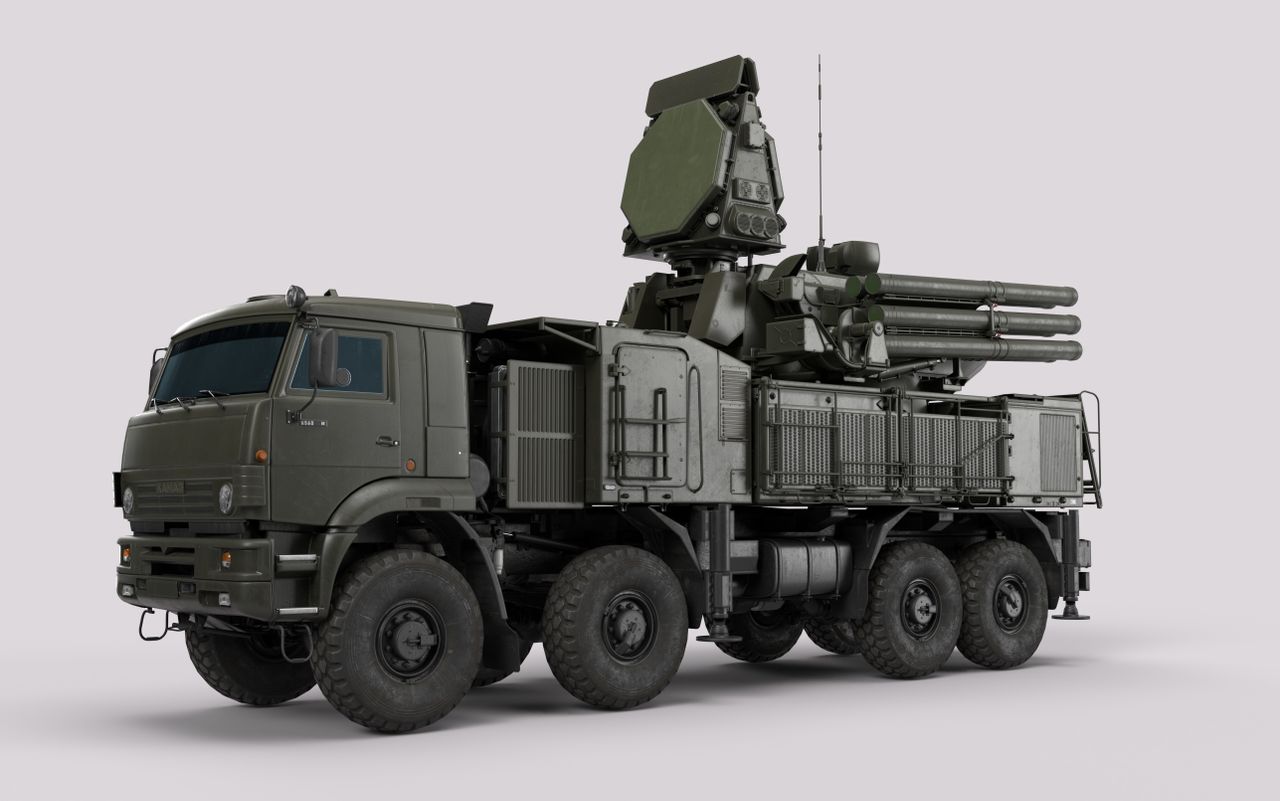
Military analysts are observing a shift in warfare toward 'electrotech,' a stack of hardware and software centered on electricity that powers drones, AI, and cyber capabilities.
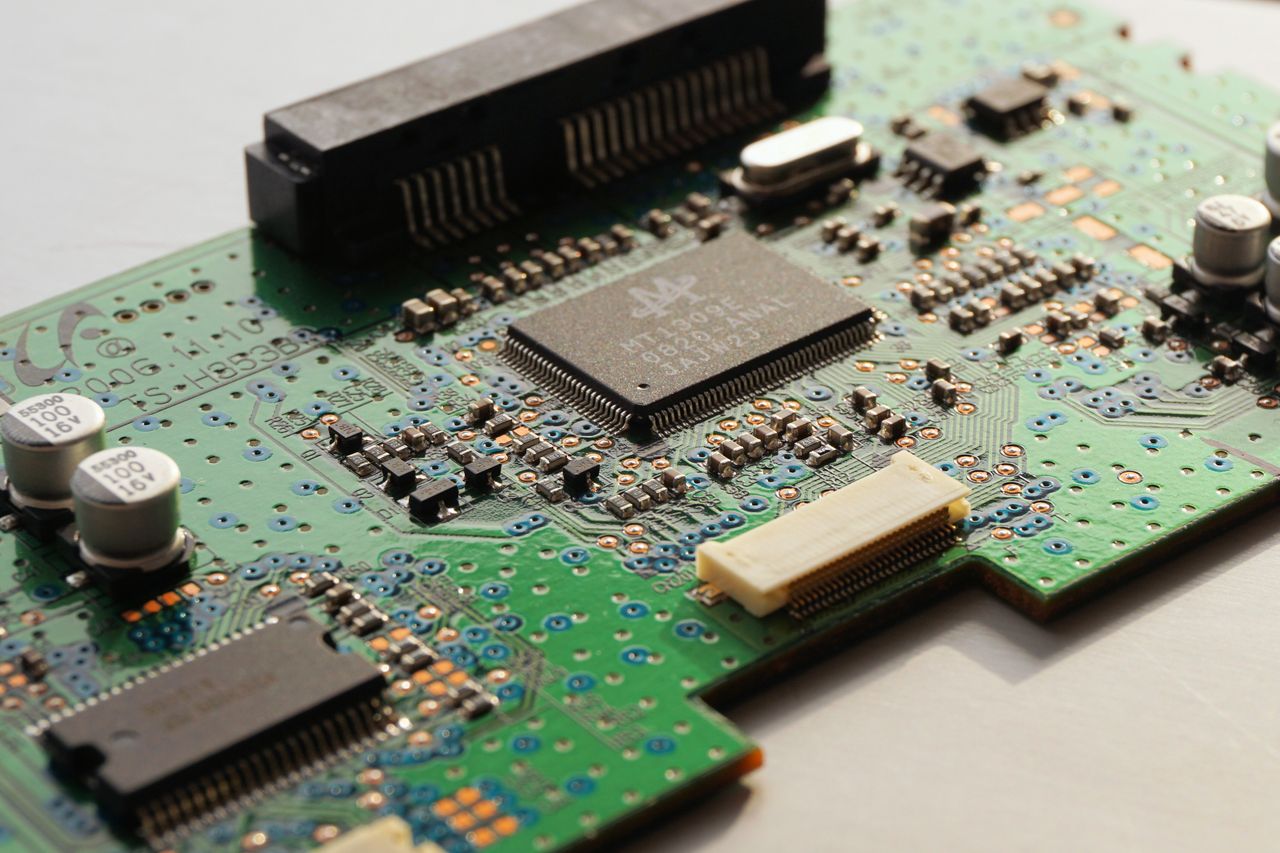
Key facts
- •Electrotech refers to the integrated hardware and software that allows electricity to be digitally generated, stored, and directed for military use.
- •Chinese President Xi Jinping elevated 'intelligentization' to official military doctrine in 2020.
- •The Pentagon has requested $54 billion for a crash drone production program to address the shift in modern warfare.
- •American companies currently account for 80 percent of global compute capacity, providing a strategic advantage in AI-driven cyber operations.
- •U.S. efforts to build an industrial reserve are complicated by political debates surrounding the Inflation Reduction Act and concerns over Chinese component dependencies.
Modern warfare is undergoing a transformation driven by 'electrotech,' an integrated set of hardware and software that converts electricity into digital and physical military power. Technologies like battery-powered drones and AI-equipped robots are now central to combat, particularly in Ukraine. This shift has created a new dependency on a shared industrial stack that powers both consumer electronics and advanced weaponry, sparking a strategic competition between the United States and China.
By the numbers
The Rise of Electrotech in Combat
In Ukraine, cheap, battery-powered drones built on consumer-electronics foundations are responsible for the majority of casualties. These systems utilize electric motors, onboard compute for navigation, and software-defined communication links. As Russian jammers increase, Ukrainian forces are deploying platforms with greater onboard intelligence to strike independently, a process that requires increased electricity storage for both propulsion and AI reasoning.
Industrial Consolidation and Strategic Risks
The same industrial heritage that produces smartphones and laptops now powers military drones, robots, and unmanned vehicles. Because these sectors share supply chains and materials, companies like Xiaomi and BYD have easily expanded into defense-related technologies. Beijing has prioritized this 'intelligentization' in its military doctrine since 2020, while the U.S. faces challenges in rebuilding its own supply chains and navigating dependencies on Chinese components.
The Intersection of AI, Cyber, and Energy
Modern offensive cyber operations increasingly rely on AI models where compute capacity is directly linked to electricity consumption. While the U.S. maintains an advantage in chip efficiency, China is rapidly expanding its grid capacity and investing in large-scale chip orchestration to compensate for efficiency gaps. The Pentagon is now seeking to bolster its industrial base, including a $54 billion crash program for drone production, to compete in this electricity-intensive landscape.
Advertisement
This article was independently rewritten by ManyPress editorial AI from reporting originally published by War on the Rocks.