
Functional drinks marketed for health and cognitive benefits are a growing global market, but experts urge caution regarding their actual physiological impact.
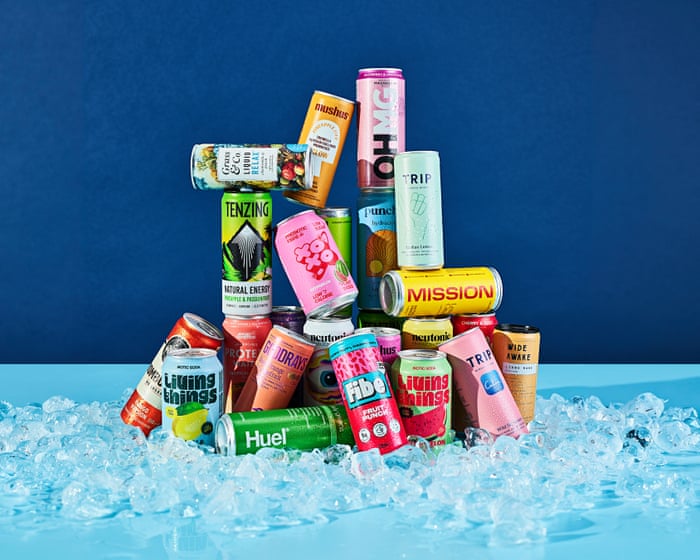
Key facts
- •Functional drinks are marketed for various purposes, including focus, relaxation, hydration, and gut health.
- •Celsius energy drinks contain 200mg of caffeine per can, equivalent to approximately three espressos.
- •UK regulations allow brands to make health claims based on specific vitamin content, such as B12, regardless of other botanical ingredients present.
- •Some functional drinks are not suitable for children or pregnant women due to high vitamin concentrations.
- •The functional drinks market saw a significant surge in popularity following the COVID-19 pandemic.
Functional drinks, which promise benefits ranging from mental clarity to gut health, have become a significant consumer trend. These products, often containing vitamins, minerals, or botanical ingredients like adaptogens and nootropics, are increasingly available in supermarkets and meal deals. While the market is expanding rapidly, nutritionists and dietitians warn that the health claims associated with these beverages often rely on specific added vitamins rather than the complex blends of ingredients they contain.
By the numbers
Market Growth and Consumer Trends
The global functional drinks market is currently valued at approximately £115 billion annually and is projected to double by 2030. In the UK, the sector generates £100 million in yearly sales. Consumer interest is rising, with 25% of shoppers now seeking functional benefits from their drinks, compared to 13% in 2024. According to Mintel, one in four new food and drink product launches now includes a functional benefit claim.
Regulatory Scrutiny and Health Claims
UK health claims are strictly regulated, and some brands have faced enforcement action. In 2025, the Advertising Standards Authority upheld a complaint against the brand Trip for suggesting its drink could reduce cortisol and promote calm. Myota was also censured in 2025 for implying its metabolic booster had medicinal effects. Experts note that brands often use the presence of standard vitamins, such as B12, to make broad health claims, even if the product's other ingredients lack significant clinical evidence.
Expert Perspectives on Efficacy
Consultant dietitian Sophie Medlin and nutritionist Gopi Chandratheva advise caution, noting that many drinks contain small, potentially ineffective amounts of nutrients or ingredients with unproven long-term benefits. There is concern that mixing stimulants like caffeine with various adaptogens could lead to adverse interactions or unwanted side effects. Experts suggest that any perceived benefits from these drinks are more likely derived from caffeine or sugar content rather than the expensive botanical additives.
Advertisement
This article was independently rewritten by ManyPress editorial AI from reporting originally published by The Guardian Health.