As Sudanese refugees flee to Ethiopia, they face potential threats from militia presence while the Ethiopian government launches a new initiative to integrate its 1.1 million refugee population.

ManyPress
ManyPress Editorial
Key facts
- •The RSF has established a training camp near the Ethiopian town of Asosa, located 10 miles from the Ura refugee camp.
- •Ethiopia hosts more than 1.1 million refugees, one of the largest populations in Africa.
- •The Makatet project aims to integrate refugees by providing access to education, healthcare, and employment opportunities.
- •Approximately 70% of the 41.6 million refugees globally have been displaced for at least five years.
- •Residents in the Jewi refugee camp in the Gambela region report ongoing violence and safety concerns.
Sudanese refugees are seeking safety in Ethiopia, but many report that the Rapid Support Forces (RSF) have established a training base near the border town of Asosa. While refugees living in the Ura camp fear being targeted by militia members, the Ethiopian government has launched a new project called Makatet to integrate its 1.1 million refugees into the economy. The initiative aims to provide refugees with improved access to education, healthcare, and employment.
By the numbers
Security Concerns for Refugees
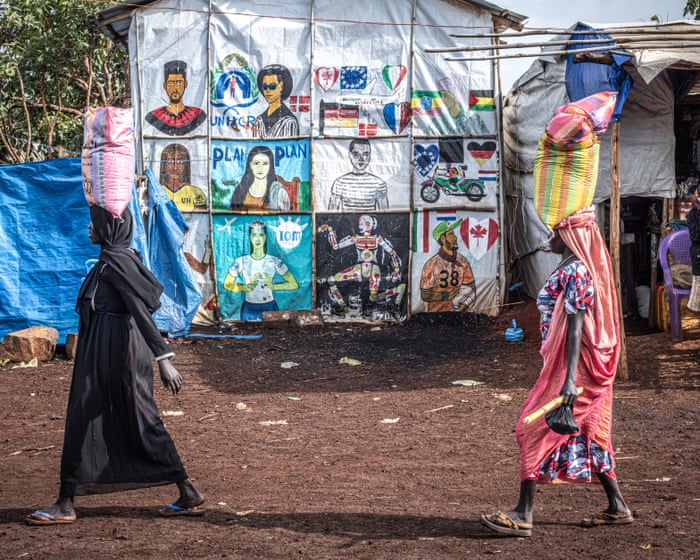
Refugees in the Ura camp, located near the RSF training base, express fear that militia members are monitoring them and compiling lists for potential reprisals. Residents report that the RSF has already entered the camp, heightening anxiety among those who fled violence in Sudan. Similar concerns exist in the Gambela region, where refugees from South Sudan living in the Jewi camp report attacks by local groups while foraging for food.
The Makatet Integration Initiative
Launched at the Adwa Victory Memorial Museum, the Makatet project seeks to transition refugees from aid dependency to self-reliance. By granting rights to work and access services, the government hopes to turn the refugee population into taxpaying residents. UN refugee agency officials, including Barham Salih, have praised the approach as a potential model for addressing global displacement, noting that traditional humanitarian funding models are becoming unsustainable.
Advertisement
This article was independently rewritten by ManyPress editorial AI from reporting originally published by The Guardian Global Development.