
Preliminary research presented at NUTRITION 2026 suggests unsweetened sparkling water may be a lower-risk alternative to soda for dental health.
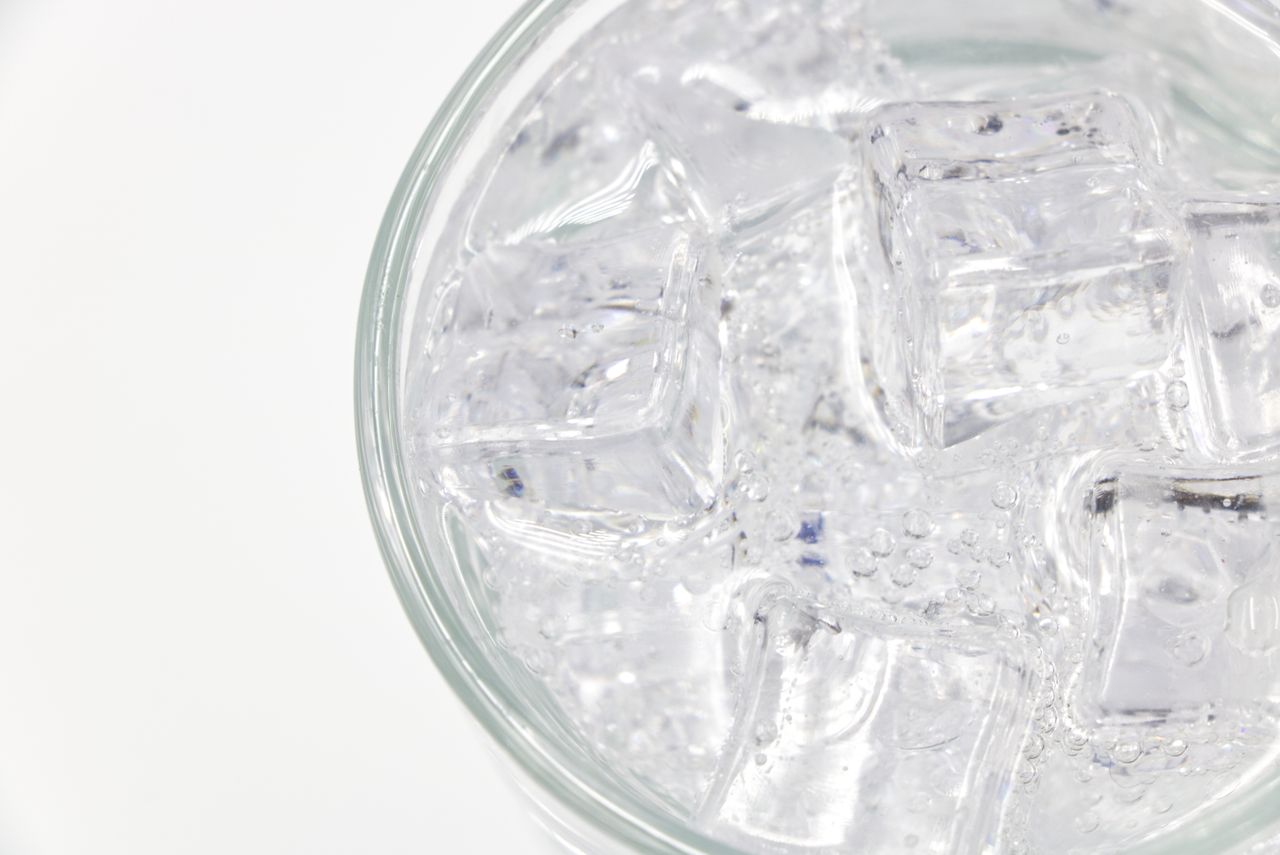
Key facts
- •Tooth enamel typically begins to dissolve when oral pH falls below approximately 5.5.
- •The study was conducted by researchers at Purdue University and presented by graduate student Wajiha Zulfiqar.
- •Participants included 20 adults who each tested all four beverage types to ensure consistent comparisons.
- •Salivary pH returned to near-starting levels within 20 minutes for both regular and calcium-fortified sparkling water.
- •The research was presented during the Clinical Nutrition II Poster Session at the Gaylord National Resort & Convention Center.
Preliminary research indicates that unsweetened sparkling water may be a safer choice for teeth than sugar-sweetened soda. The study, presented at the NUTRITION 2026 meeting in National Harbor, Maryland, compared how different beverages influence acidity levels in the mouth. While both drinks can temporarily lower oral pH, the impact of sparkling water appears less severe than that of soda.
Experimental Methodology
Researchers tested four types of beverages—sugar-sweetened soda, regular sparkling water, calcium-fortified sparkling water, and plain water—on 20 adult participants. By having every participant consume each beverage, the team accounted for individual biological differences. The study measured salivary pH in real time to observe how the mouth responded immediately after consumption, rather than focusing solely on the acidity of the drinks themselves.
Findings on Oral Acidity
The study found that soda caused the most significant increase in mouth acidity, with salivary pH remaining lower than that of water at both 2 and 20 minutes after consumption. In contrast, regular sparkling water caused a temporary pH decline after 2 minutes, while calcium-fortified sparkling water showed a decrease after 5 minutes. In both sparkling water cases, pH levels returned to near-baseline levels within 20 minutes. Notably, the pH levels remained above the 5.5 threshold where tooth enamel typically begins to dissolve.
Limitations and Future Research
The researchers noted that these findings are preliminary and have not yet undergone the peer review process required for journal publication. Because the experiment measured only short-term changes in salivary pH, the team emphasized that real-world dental erosion risk also depends on consumption frequency, exposure duration, and sugar content. Future studies will aim to examine the long-term effects of sparkling water on oral health, including its impact on teeth and gums.
Advertisement
This article was independently rewritten by ManyPress editorial AI from reporting originally published by ScienceDaily.