An analysis of the current U.S. military engagement in Iran and potential pathways to de-escalation amidst global economic and security concerns.

Key facts
- •The U.S. has struck more than 13,000 targets in Iran since the start of the conflict.
- •Saudi Arabia and the UAE are planning to expand pipeline capacity by 4 million barrels per day to reduce reliance on the Strait of Hormuz.
- •China’s oil consumption is projected to decrease by 4.9 percent in 2026 compared to the previous year.
- •Four rounds of heavy U.S. and Israeli strikes have occurred since 2024, impacting Iranian missile and drone programs.
- •The U.S. has faced difficulty rallying international support due to prior policies involving unilateral tariffs and a lack of consultation with allies.
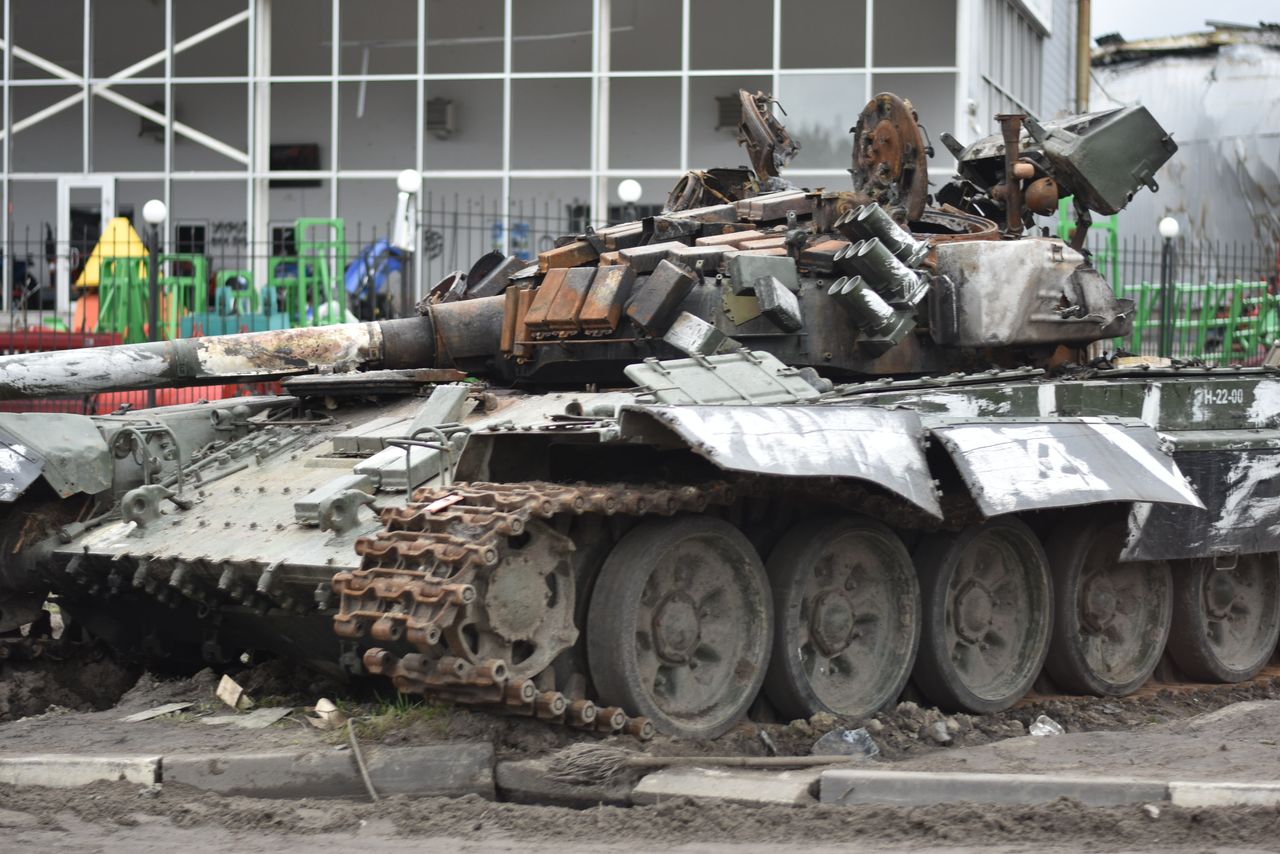
The United States faces a strategic crisis following the launch of a war in Iran under President Donald Trump. With the U.S. having struck over 13,000 targets, the conflict has empowered Iranian hard-liners and threatened global energy security via the Strait of Hormuz. The administration now faces limited options, as military escalation risks further regional instability, while concessions could undermine international navigation principles.
By the numbers
Military Escalation and Strategic Risks
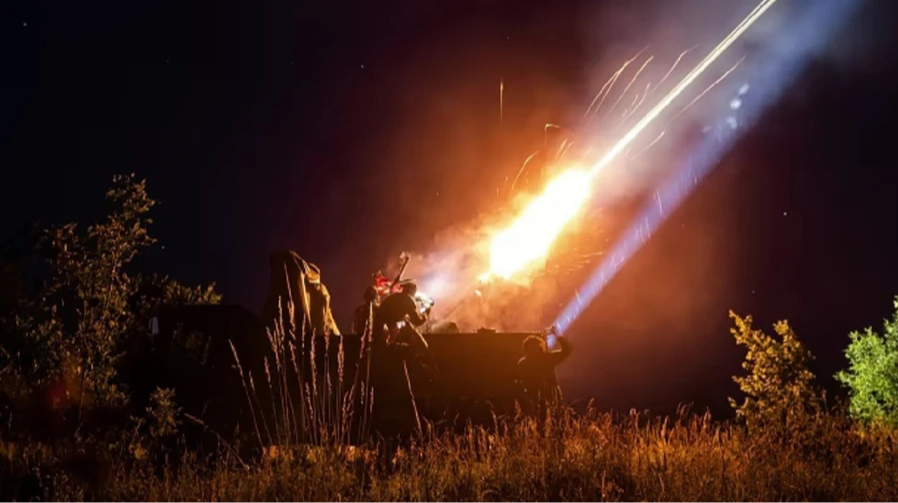
The U.S. military has already conducted strikes against more than 13,000 targets in Iran. However, experts suggest that further bombing is unlikely to resolve the conflict, as Iran maintains a significant arsenal of long-range drones and missiles capable of closing the Strait of Hormuz from deep within its territory. Proposed actions, such as seizing Kharg Island, would risk U.S. service members while failing to secure the strait, which remains 370 miles away. Escalation could trigger broader regional violence, including attacks on energy infrastructure in neighboring countries and potential closures of Red Sea shipping routes by Houthi forces. Such developments threaten to drive up global oil and gas prices, potentially leading to inflation and a global recession.
Diplomatic Challenges and Alliances
The current administration’s approach has alienated key international allies, complicating efforts to build a coalition similar to those formed during the 1990 Gulf War or the 2015 nuclear deal negotiations. Having spent 18 months imposing unilateral tariffs and questioning security commitments, the U.S. now struggles to secure support from European and Asian partners who were not consulted before the war began.
Proposed Path to De-escalation
A suggested approach to ending the conflict involves providing Iran with economic relief in exchange for a freeze on its nuclear program and a cessation of attacks on shipping and neighbors. While this would not permanently resolve nuclear concerns, it could buy time to reduce global reliance on the Strait of Hormuz. Efforts to bypass the strait are already underway, with Saudi Arabia and the United Arab Emirates planning to expand pipeline capacity by 4 million barrels per day, and Chevron exploring new infrastructure projects. Long-term strategies include accelerating the transition to alternative energy sources, as evidenced by a projected 4.9 percent year-on-year drop in Chinese oil consumption for 2026. Additionally, the U.S. and its Gulf allies are encouraged to address military vulnerabilities, specifically the shortage of missiles and interceptors, to improve their position for future diplomatic engagement.
Advertisement
This article was independently rewritten by ManyPress editorial AI from reporting originally published by Foreign Policy.