Russian forces launched a significant ballistic missile attack on Kyiv and Brovary, with reports indicating that Ukrainian air defenses were unable to intercept the incoming projectiles.
Key facts
- •The Russian attack involved 115 drones alongside Iskander-M, S-400, and Zircon ballistic missiles.
- •At least 17 people were killed and 44 injured in the strikes on Kyiv and Brovary.
- •Ukrainian air defenses reportedly failed to intercept any of the ballistic missiles launched during the operation.
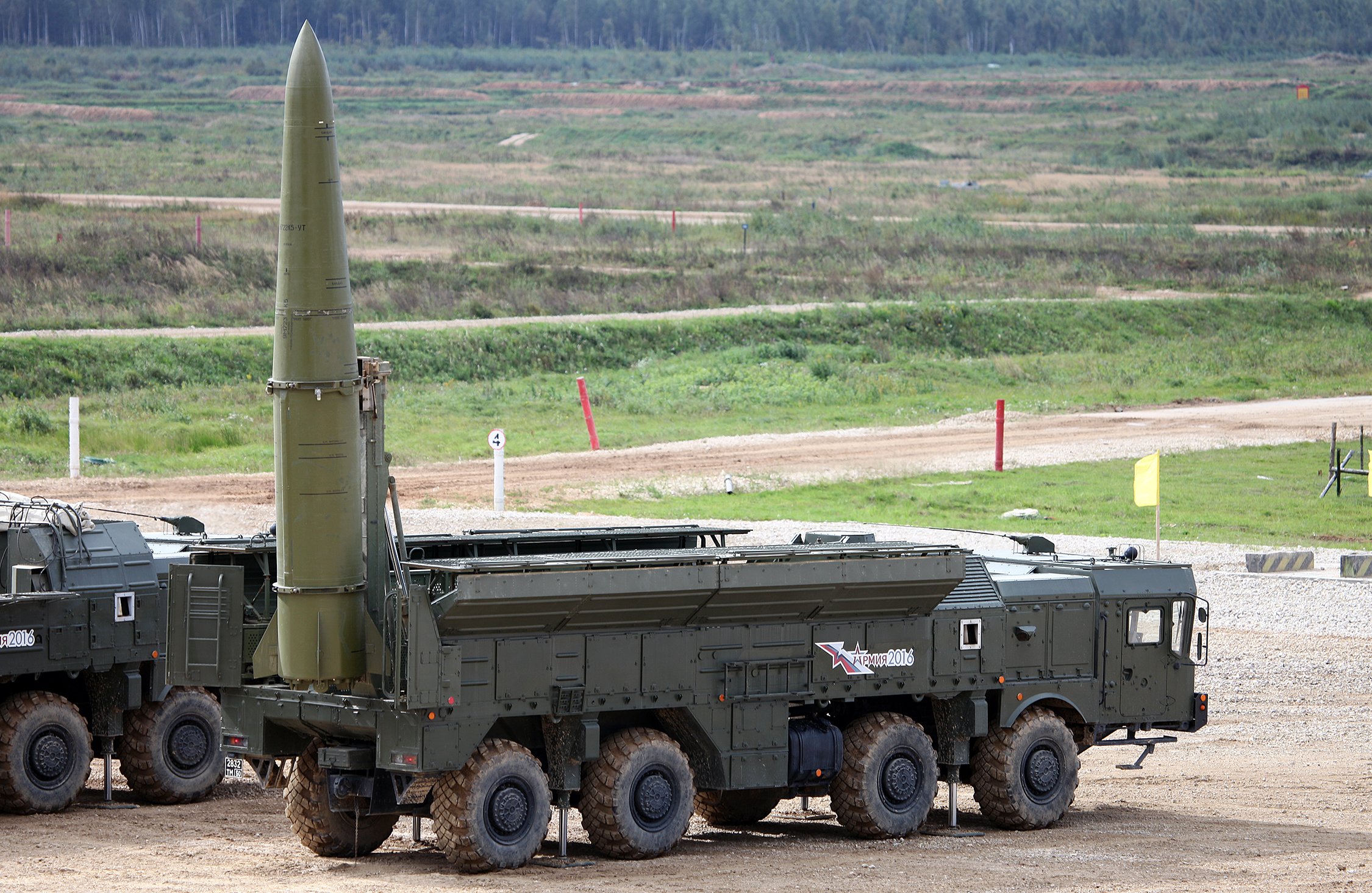
- •Iskander launchers are typically deployed 200 to 250 km from the border, often moving from hangars to launch sites.
- •Military expert Kostiantyn Kryvolap stated that Iskander systems require approximately 60 to 70 minutes to reach a position and fire.
Russian forces conducted a missile attack on Kyiv and the neighboring city of Brovary, targeting military, industrial, and civilian sites. The Ukrainian General Staff indicated that air defense systems failed to intercept any of the ballistic missiles, which included Iskander-M, S-400, and Zircon models. By midday Wednesday, authorities reported at least 17 deaths and 44 injuries resulting from the strikes.
By the numbers
Limitations of Current Air Defense
Ukraine is facing a shortage of interceptor missiles for its Patriot systems, which are currently the primary defense against ballistic threats. Estimates suggest that since the beginning of July, Russia has launched approximately 150 ballistic missiles at the Kyiv region, with only about seven successfully intercepted. Reports indicate that US President Donald Trump has rejected requests for additional Patriot interceptors.
Strategic Shift Toward Targeting Launchers
Military analysts and experts are increasingly advocating for a shift in strategy to target Russian missile launchers directly rather than relying solely on interception. Iskander launchers are typically positioned 200 to 250 km from the border, often in hangars at air bases. However, current response times are hindered by the speed at which these systems can deploy and fire, with experts noting it takes roughly 60 to 70 minutes for a system to reach a site and prepare for launch.
Potential Countermeasures
Discussions regarding potential solutions include the development of domestic ballistic missiles, such as the FP-7 currently being worked on by the Ukrainian company Fire Point, which would have a range of 250 to 300 km. Other proposals involve securing support from international partners or utilizing technology controlled by Elon Musk to improve detection and response capabilities. To date, Oryx has documented the destruction of four Russian launcher systems by Ukrainian forces.
Advertisement
This article was independently rewritten by ManyPress editorial AI from reporting originally published by EUobserver.