The Russian government has temporarily legalized the sale of older, lower-grade gasoline standards to mitigate domestic fuel shortages.
Key facts
- •The authorization for lower-grade fuels remains in effect until July 1, 2027.
- •Euro-2 fuel contains up to 50 times more sulfur than the Euro-5 standard.
- •The government previously banned Euro-2 fuel in 2013.
- •Gasoline exports are currently banned through the end of January.
- •The average price of gasoline in Russia reached 77.69 rubles per liter as of August 3.
The Russian government has authorized the temporary production, import, and sale of low-grade gasoline standards that were previously banned. Prime Minister Mikhail Mishustin signed a decree allowing the sale of Euro-2, Euro-3, and Euro-4 fuels through July 1, 2027. The Energy Ministry described the move as an anti-crisis measure intended to balance fuel quality standards with consumer availability amid a nationwide shortage.
By the numbers
Environmental and Technical Impact
Russia originally phased out Euro-2 fuel in 2013, completing a transition to cleaner Euro-5 standards by 2016. Euro-2 gasoline contains up to 50 times more sulfur than Euro-5 fuel, which can degrade engine components and exhaust systems. Environmental experts have warned that the use of lower-grade fuel may increase smog and acid rain, potentially worsening respiratory conditions in urban areas.
Market Context and Regulations
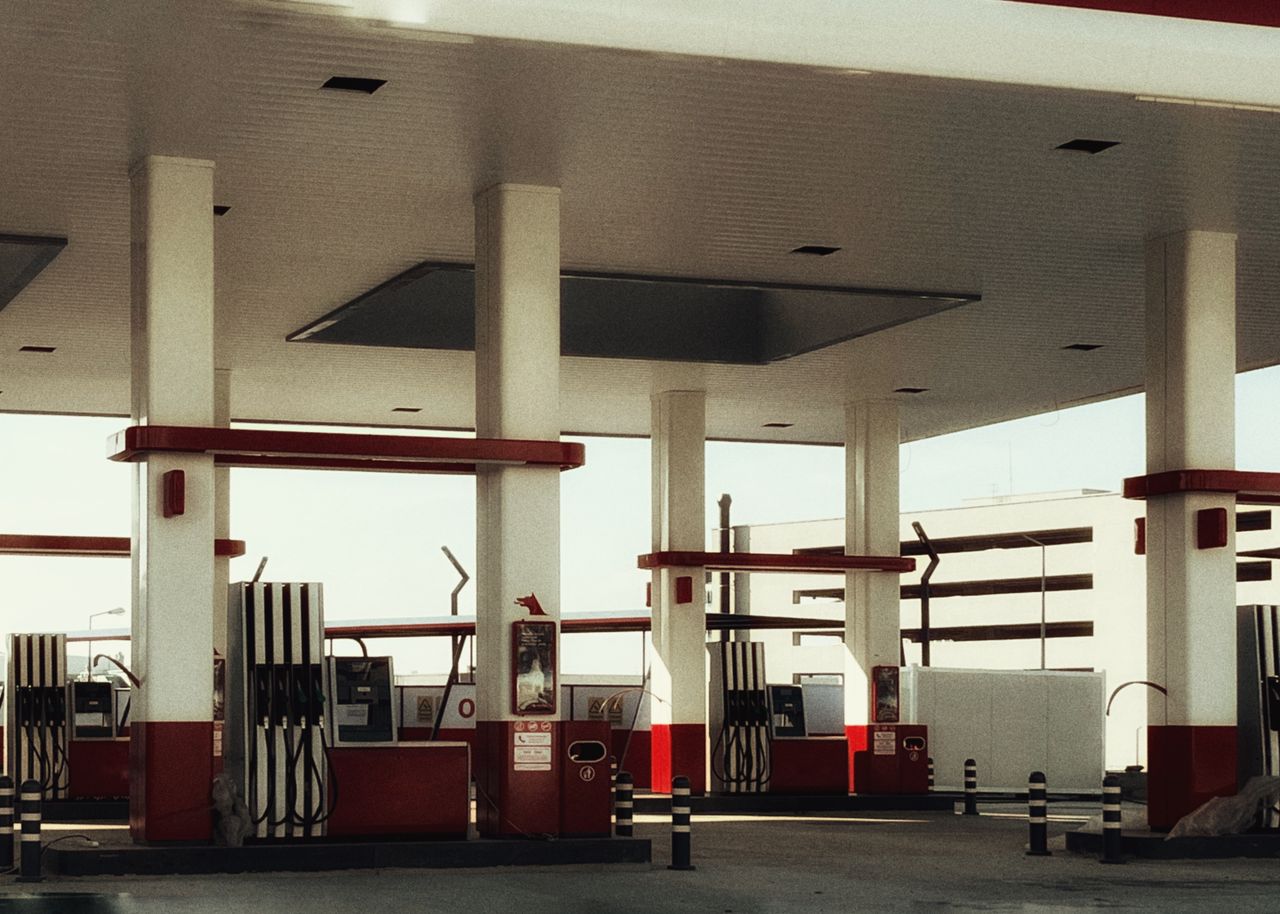
To manage the transition, gas stations are required to clearly display the environmental class of fuel at the pump to inform consumer choices. The policy change follows a series of Ukrainian drone attacks on Russian oil refineries and storage facilities that have disrupted the domestic market. Additionally, the government has extended a ban on gasoline and diesel exports through the end of January.
Timeline
- 2013Russia began banning Euro-2 fuel due to high pollutant levels.
- 2016Russia completed the transition to Euro-5 fuel standards.
- August 3The national average price of gasoline reached 77.69 rubles per liter.
- July 1, 2027The authorization for selling lower-grade fuels is set to expire.
Advertisement
This article was independently rewritten by ManyPress editorial AI from reporting originally published by The Moscow Times.