
Climate change is expanding the range of invasive mosquitoes in Europe, leading to local outbreaks of diseases like dengue and chikungunya that were previously associated with tropical regions.
Key facts
- •199 cases of dengue were identified in Fano, Italy, between mid-August and mid-October 2024.
- •The Asian tiger mosquito is currently established across Europe and is expected to move further north.
- •A study found that tiger mosquitoes can transmit chikungunya at 14 degrees Celsius, lower than the previously understood 16 degrees Celsius.
- •The yellow fever mosquito, another invasive species, has been established in Cyprus and Madeira and was recently detected in Luxembourg.
- •Public health experts suggest that preparedness, rather than just prediction, is essential for managing the risk of endemic tropical diseases in Europe.
In late 2024, an outbreak of dengue fever occurred in Fano, Italy, affecting patients who had no history of recent travel to tropical regions. Between mid-August and mid-October 2024, 199 cases were detected in the city. Experts attribute the rise of such diseases in Europe to climate change, which is creating more favorable conditions for invasive mosquito species like the Asian tiger mosquito.
By the numbers
The Role of the Asian Tiger Mosquito
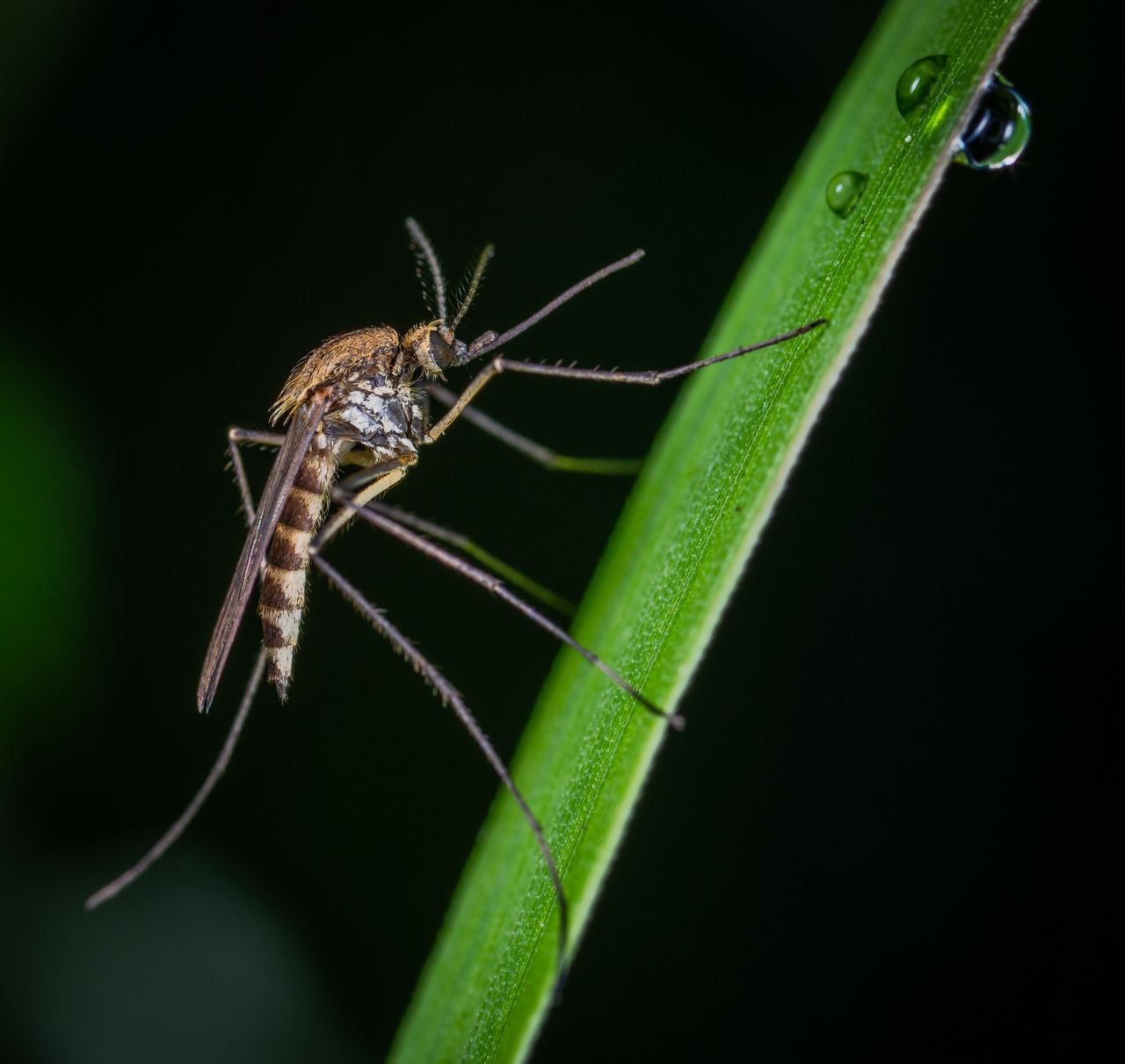
The Asian tiger mosquito, or Aedes albopictus, is the primary vector for these outbreaks in Europe. Unlike many other species, it bites during the day and night. While it thrives in temperatures between 20 and 30 degrees Celsius, it can survive at around 10 degrees Celsius. Researchers note that the mosquito season is lengthening in southern Europe, with some populations potentially capable of surviving year-round in the near future.
Environmental Factors and Disease Transmission
Warmer temperatures are lowering the threshold for viral transmission. A recent study found that tiger mosquitoes can transmit chikungunya at 14 degrees Celsius, two degrees lower than previously estimated. However, extreme heat above 35 degrees Celsius and drought conditions can hinder mosquito survival, as seen recently in parts of Spain and France. Rainfall also plays a complex role, as it is necessary for breeding but can also wash away larvae if levels are too high.
Public Health and Mitigation Strategies
Efforts to control populations include experimental releases of sterile male mosquitoes, though such methods are costly. Experts emphasize that eliminating mosquitoes is likely impossible, making risk reduction and public health preparedness the primary goals. European countries currently rely on established health infrastructure to manage outbreaks, but residents may increasingly need to adopt preventative measures, such as using mosquito nets and removing standing water.
Timeline
- Mid-August 2024The start of the dengue outbreak period in Fano, Italy.
- September 2024Patients began arriving at the emergency room in Fano with symptoms of dengue.
- Mid-October 2024The end of the recorded dengue outbreak period in Fano.
Advertisement
This article was independently rewritten by ManyPress editorial AI from reporting originally published by Wired.