
A major review published in the British Journal of Sports Medicine finds traditional Chinese exercises effectively treat musculoskeletal conditions.
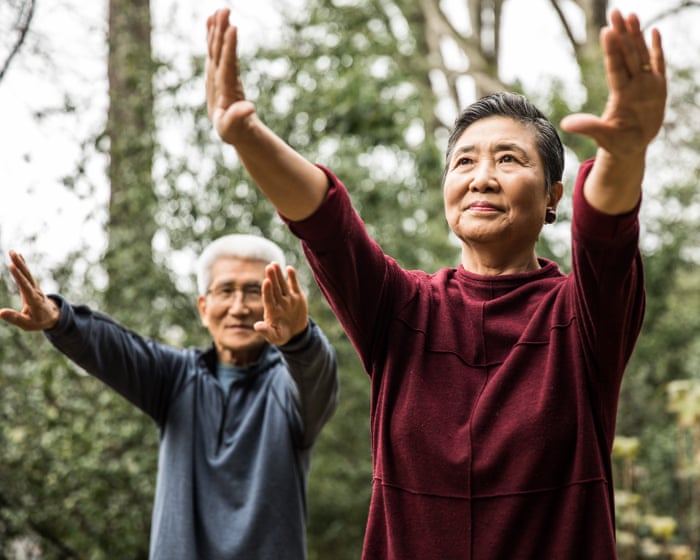
Key facts
- •Musculoskeletal conditions affect more than 1.7 billion people worldwide.
- •The review drew on data from 1,744 randomized controlled clinical trials.
- •Low back pain is the leading cause of disability in 160 countries.
- •Optimal results require at least 150 minutes of exercise per week for over six months.
- •Researchers suggest these exercises can help reduce reliance on pharmacological treatments.
A comprehensive review of 1,744 clinical trials has confirmed that traditional Chinese exercises, including tai chi and qigong, provide significant health benefits for people with musculoskeletal disorders. Published in the British Journal of Sports Medicine, the study found high-certainty evidence that these practices improve physical function, pain levels, sleep quality, and bone mineral density.
By the numbers
Scope and Findings
The review analyzed 92 data syntheses to evaluate the effectiveness of exercises such as tai chi, baduanjin, wuqinxi, and yijinjing. Researchers concluded that these interventions are effective for managing specific conditions, including knee osteoarthritis, neck pain, and fibromyalgia. Tai chi was specifically noted for its ability to ease chronic pain and increase bone mineral density in patients with osteopenia or osteoporosis.
Recommended Practice Guidelines
To achieve maximum health benefits, the study suggests that individuals should practice these exercises for at least 150 minutes per week, spread across a minimum of three sessions. The researchers recommend that these practices be integrated into global clinical guidelines and rehabilitation programs, noting that they are safe, accessible, and cost-effective strategies that can complement conventional medical treatments.
Advertisement
This article was independently rewritten by ManyPress editorial AI from reporting originally published by The Guardian Health.