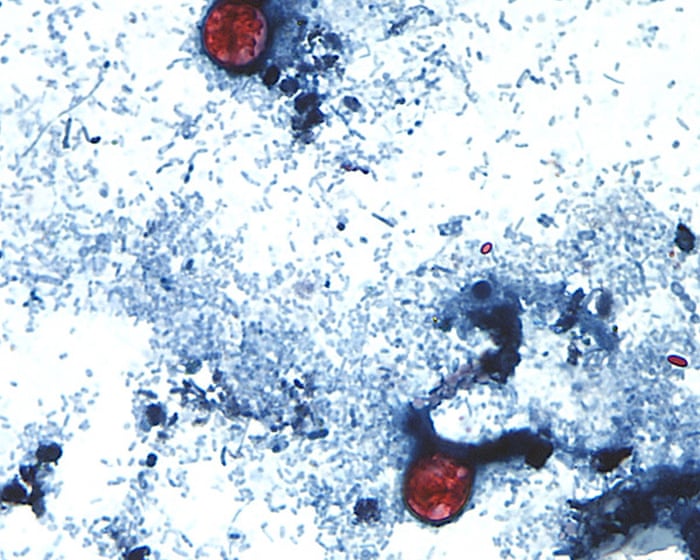
Washtenaw County health officials are conducting contact tracing for a surge of cyclosporiasis cases, following a recent measles outbreak.

Key facts
- •Michigan has reported more than 10,000 cases of cyclosporiasis since the end of June.
- •Washtenaw County has seen more than 800 cases of the parasite, requiring intensive contact tracing.
- •Cyclospora can have an incubation period of up to two weeks, making it difficult for patients to identify the contaminated food source.
- •Nursing supervisor Christina Zilke stated that the federal response to the outbreak felt slow compared to actions taken by private fast-food restaurants.
- •Local health department staff have faced ongoing instability, including fluctuating federal funding and staffing shortages.
Public health nurses in Washtenaw County, Michigan, are currently managing a significant influx of cyclosporiasis cases. The county has recorded more than 800 cases of the food-borne illness, which follows a measles outbreak that occurred earlier this spring. Nurses are tasked with conducting complex contact tracing to identify the source of the parasite, a process complicated by the long incubation period of the illness.
By the numbers
Challenges in Contact Tracing
The investigation into cyclosporiasis presents unique difficulties because the parasite can take up to two weeks to manifest symptoms. Because patients often struggle to recall their dietary history over that timeframe, nurses like Linda Kim assist them by reviewing grocery store receipts, app data, and specific food purchases, such as salad mixes or fast-food items. Unlike the previous measles outbreak, where the public was often resistant to sharing information, nurses report that patients are now providing extensive, sometimes overly detailed, accounts of their symptoms.
Resource and Funding Concerns
Nursing supervisor Christina Zilke and her staff have faced ongoing challenges regarding federal funding and staffing levels. Zilke noted that the federal response to the current outbreak felt slow, particularly in identifying lettuce as a potential source, noting that some fast-food restaurants had already removed products before official CDC announcements. CDC deputy director Gwen Biggerstaff stated that delays in identifying the source of cyclosporiasis are not unusual, and in some cases, the source is never identified.
Advertisement
This article was independently rewritten by ManyPress editorial AI from reporting originally published by NPR Health.