Pakistan, Saudi Arabia, and Turkey have signed a mutual defense pact, though the agreement currently lacks centralized command or clear operational obligations.

Key facts
- •The Mecca pact was signed on August 7 by representatives from Pakistan, Saudi Arabia, and Turkey.
- •The agreement declares that an attack on one member constitutes an attack on all three.
- •Pakistan and Turkey have previously collaborated on the production of MILGEM corvettes and T129 ATAK helicopters.
- •India’s total trade with Saudi Arabia exceeded $40 billion in 2024.
- •The pact currently lacks a central command system or defined obligations for defense spending.
Pakistan, Saudi Arabia, and Turkey signed the Mecca pact on August 7, establishing a mutual defense agreement where an attack on one member is considered an attack on all. While Turkish Foreign Minister Hakan Fidan compared the agreement to NATO, the pact does not include a central command structure, defined defense spending requirements, or specific procurement obligations.
By the numbers
Existing Bilateral Defense Ties
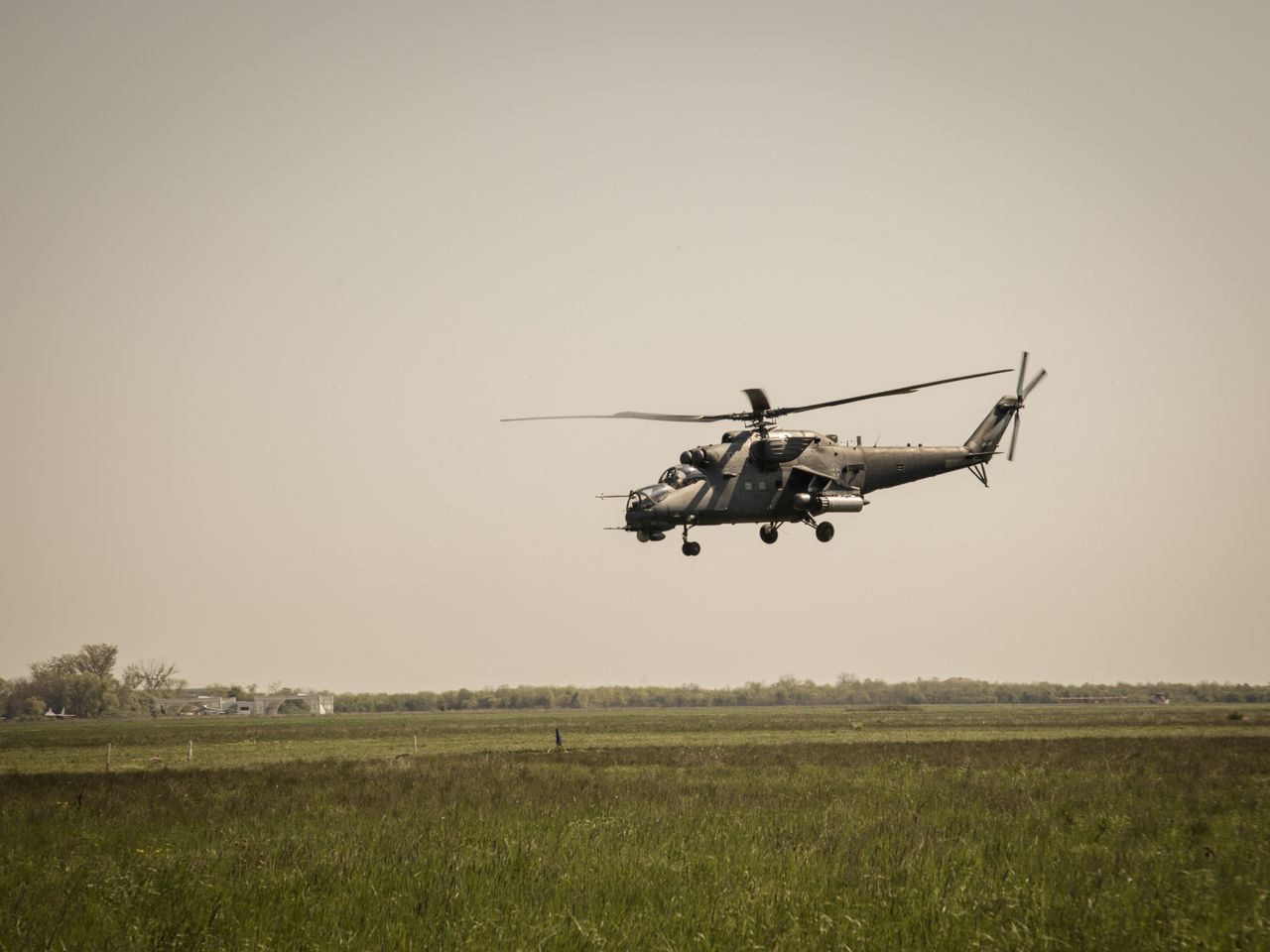
The pact builds upon established bilateral cooperation between the three nations. Pakistan and Saudi Arabia have maintained defense ties since the mid-1960s, involving Pakistani personnel training and troop deployments in Saudi Arabia. Meanwhile, Pakistan and Turkey have collaborated on weapons systems, including the co-production of four MILGEM corvette ships and 30 T129 ATAK helicopters.
Structural and Strategic Challenges
The alliance faces significant risks, including potential 'chain-ganging,' where one member drags others into conflicts against their interests, such as Pakistan’s rivalry with India or Turkey’s tensions with Israel. Furthermore, the pact lacks mechanisms to address 'buck-passing,' where members might refuse to honor commitments due to the high costs of intervention, and 'moral hazard,' where members might be emboldened to act more aggressively.
Economic and Political Hurdles
Each member faces distinct economic and domestic political constraints. Pakistan deals with endemic poverty and a tenuous political environment, while Turkey has struggled with inflation and debt. Saudi Arabia remains heavily dependent on hydrocarbon exports. These divergent realities, combined with the absence of a clearly defined common enemy, leave the pact's long-term effectiveness in question.
Advertisement
This article was independently rewritten by ManyPress editorial AI from reporting originally published by Foreign Policy.