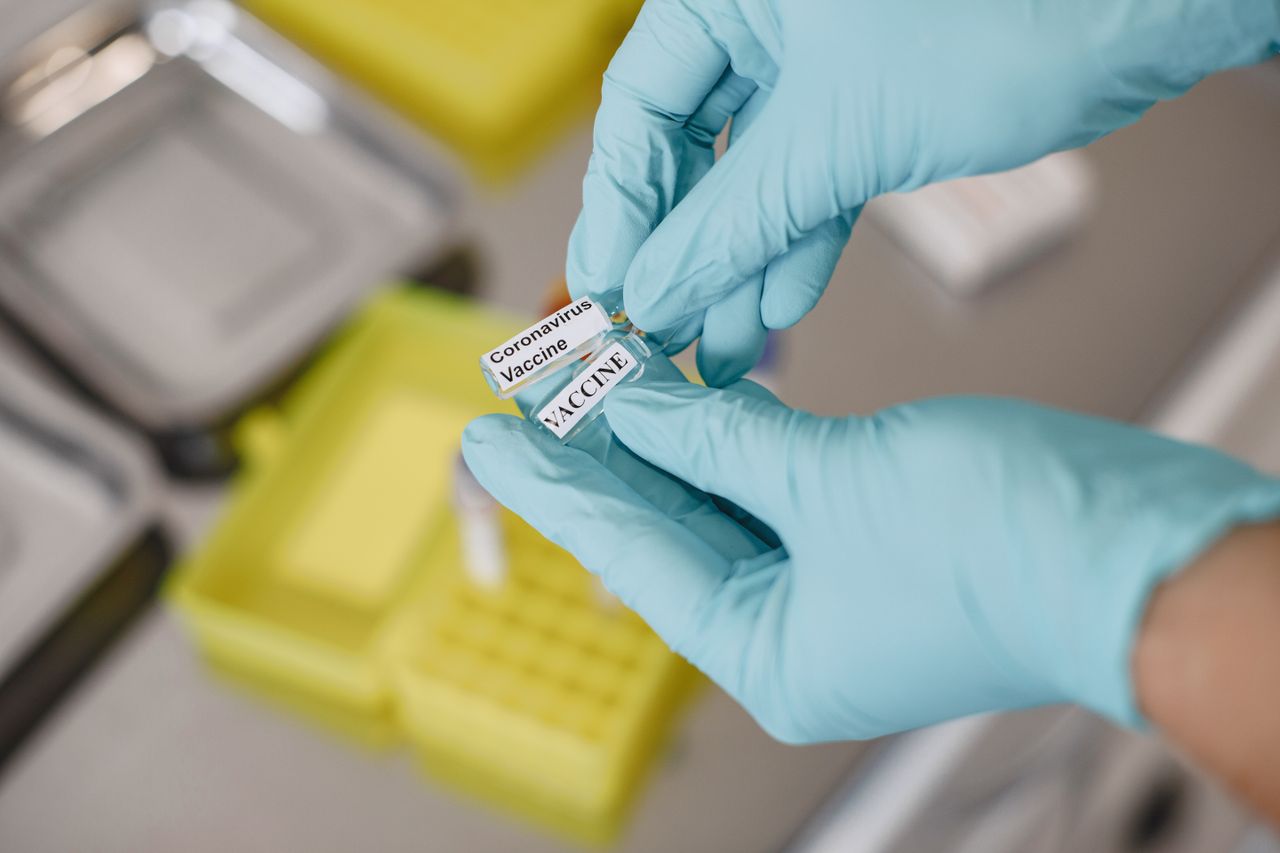
A new vaccine candidate, WRSs2, demonstrated 89% efficacy against shigellosis in a small study of adults, offering a potential tool against a leading cause of global diarrheal deaths.
Key facts
- •Shigellosis is a leading cause of diarrheal death, with over 1 million people dying from diarrheal illnesses annually.
- •The WRSs2 vaccine candidate was 89% effective in a controlled trial of 108 adults.
- •Antibiotic resistance for Shigella has reached over 80% in some regions, complicating standard medical treatments.
- •The vaccine is currently protective only against the Shigella sonnei species.
- •Researchers identify children under age 5 as the most critical target population for future vaccine trials.
Researchers have reported promising results for a new vaccine candidate, WRSs2, designed to prevent shigellosis, a major cause of deadly diarrheal disease. In a trial published in The Lancet Infectious Diseases, the vaccine demonstrated 89% efficacy among adult participants. The study, conducted at Cincinnati Children's Hospital Medical Center and Emory Vaccine Center, involved 108 volunteers who were deliberately exposed to the bacteria to test the vaccine's protective capabilities.
By the numbers
Study Methodology and Results
The trial recruited 108 adults, with half receiving the WRSs2 vaccine—a weakened version of the Shigella bacteria administered orally—and the other half receiving a placebo. Among the placebo group, 81% developed illness, including fever and diarrhea. While the vaccine showed high efficacy, it was not side-effect free; over half of the recipients reported headaches, and approximately 45% experienced some diarrhea after the dose. No participants required hospitalization due to the vaccine.
Addressing Global Health Challenges
Shigellosis is a significant global health threat, particularly for children under age 5, who suffer from malnutrition and cognitive impairment if they survive the infection. Treatment is increasingly complicated by antimicrobial resistance, with some regions reporting over 80% resistance to common antibiotics. Experts note that a vaccine is critical to reducing mortality, as preventing infection could decrease the overall reliance on antibiotics and curb the spread of resistant bacterial strains.
Future Development and Hurdles
While the results are considered a significant step, researchers emphasize that the trial was small and limited to adults. Future efforts must focus on testing the vaccine in children, the population most at risk. Additionally, scientists are exploring the potential for a combination vaccine that could target other major bacterial causes of diarrhea, such as ETEC and Campylobacter, though some experts warn that combining multiple pathogens may present practical development challenges.
Advertisement
This article was independently rewritten by ManyPress editorial AI from reporting originally published by NPR Health.