
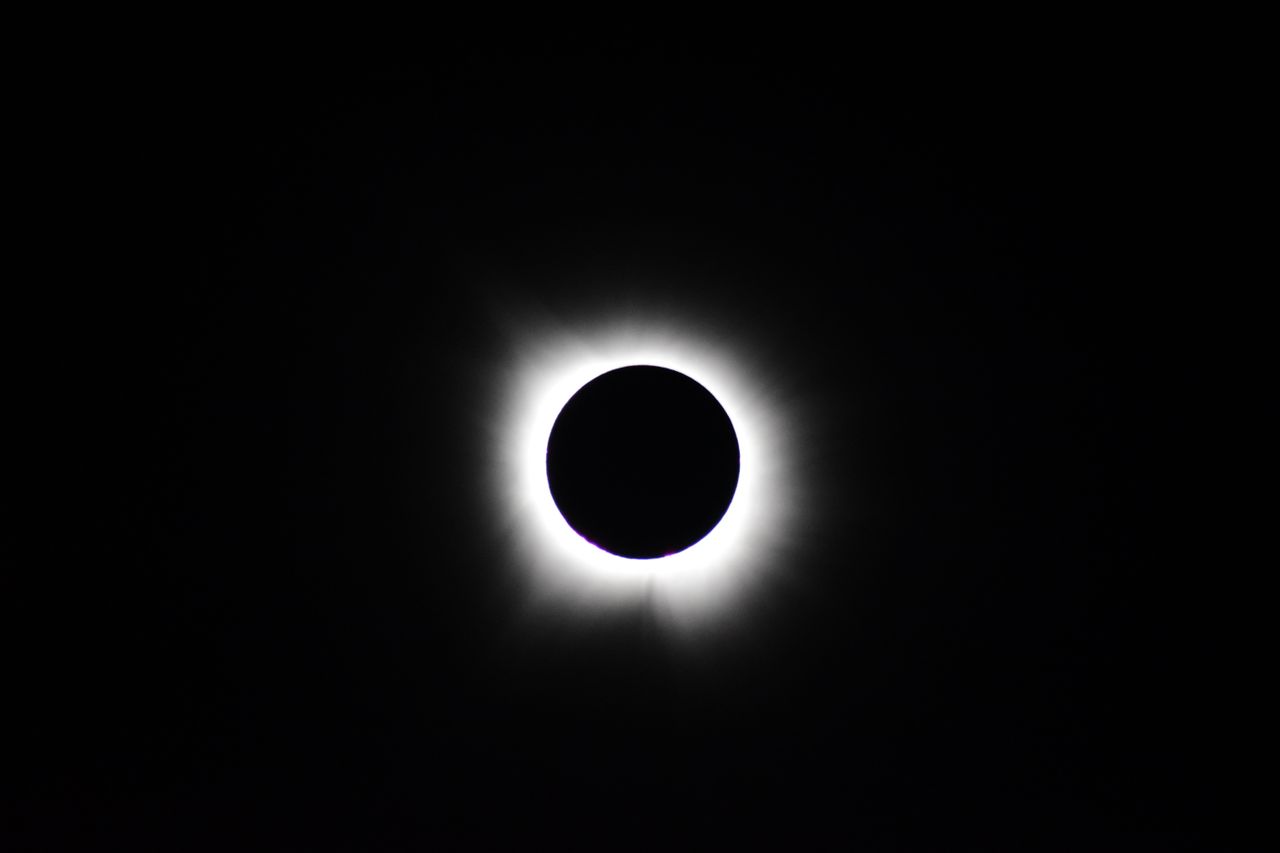
A total solar eclipse will cross parts of the Northern Hemisphere on August 12, 2026, with the path of totality passing over Iceland, Greenland, and Spain.
Key facts
- •The total solar eclipse occurs on August 12, 2026.
- •Totality begins in Iceland at approximately 5:45 p.m. local time.
- •The Snæfellsnes peninsula in Iceland was designated a UNESCO biosphere reserve in 2025.
- •The Ebro River in Spain flows about 400 kilometers from its source to its Mediterranean delta.
- •A partial eclipse will be visible in parts of Africa, Canada, and the northern U.S.
On August 12, 2026, the Sun, Moon, and Earth will align to produce a total solar eclipse. Unlike the 2024 event that crossed North America, the 2026 path of totality is more limited, covering specific land areas in the Northern Hemisphere. The Moon's shadow will track across eastern Greenland and Iceland before reaching northern Spain shortly before sunset.
By the numbers
Viewing in Iceland
The eclipse shadow is expected to reach the western fringes of Iceland, including the Snæfellsnes peninsula, at approximately 5:45 p.m. local time. The peninsula features the Snæfellsjökull volcano, a glacier-capped stratovolcano that serves as the centerpiece of a national park and a UNESCO biosphere reserve. The greatest eclipse will occur near this sparsely populated area, where the Moon will appear at its largest.
Path Across Northern Spain
After crossing the North Atlantic, the umbra will reach northern Spain. The path of totality follows an east-southeast trajectory, passing near the Ebro River. The river originates in the Cantabrian Mountains, flows through the La Rioja vineyard region, and eventually reaches a delta on the Mediterranean coast. Satellite data suggests that viewers in Spain may have a higher statistical likelihood of clear skies compared to those in Iceland.
Broader Eclipse Visibility
While the path of totality is restricted to a few regions, a partial eclipse will be visible across the remainder of Europe, parts of Africa, Canada, and the northern and northeastern United States. NASA utilized satellite imagery from Landsat 8 and 9, along with data from the MODIS and VIIRS instruments, to map the eclipse path and surrounding terrain.
Timeline
- 1,800 years agoThe Snæfellsjökull volcano last erupted.
- April 8, 2024The previous total solar eclipse occurred across North America.
- August 12, 2026The total solar eclipse will cross Greenland, Iceland, and Spain.
Advertisement
This article was independently rewritten by ManyPress editorial AI from reporting originally published by NASA Breaking News.