
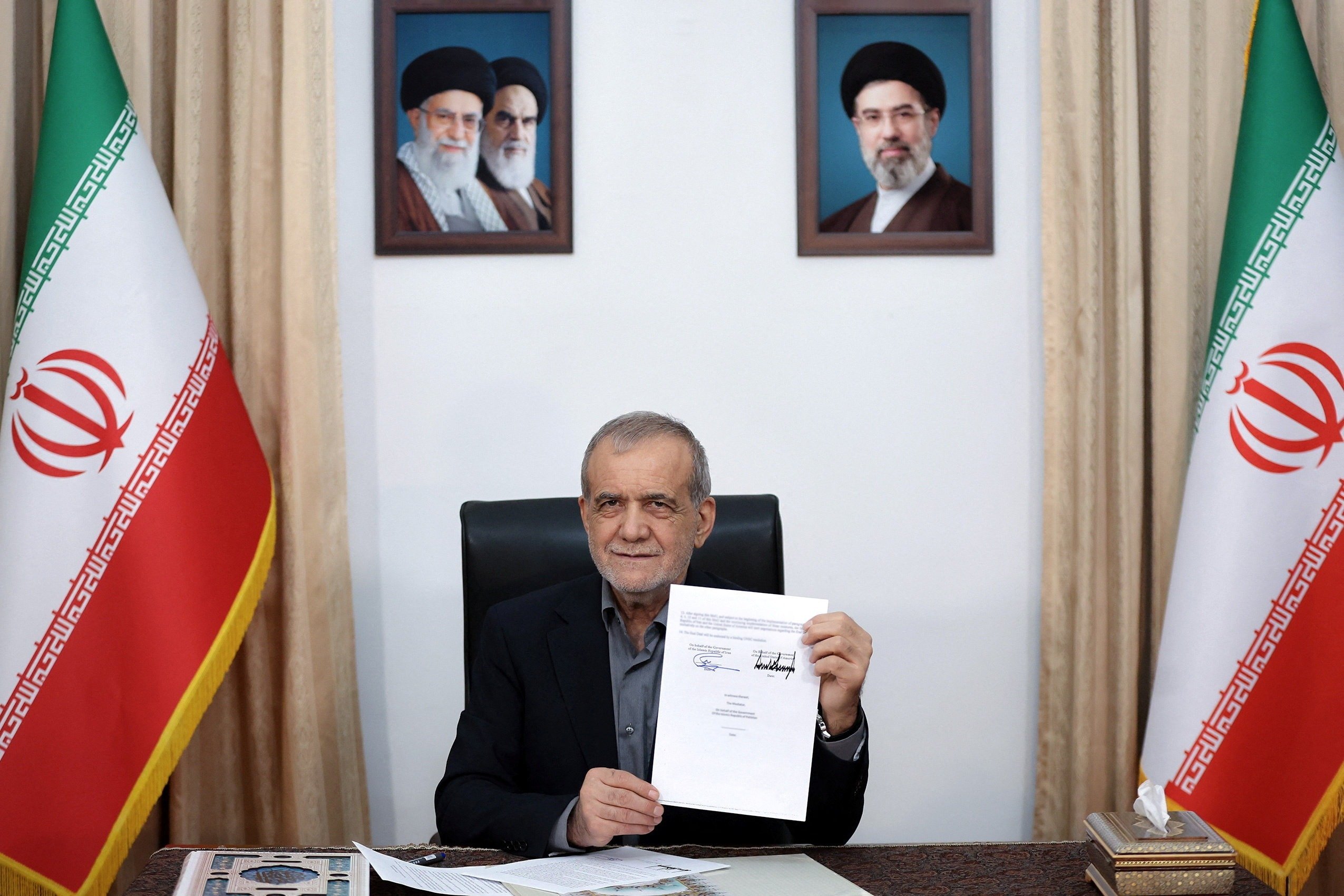
A 60-day ceasefire agreement has been reached between the US and Iran, but the crisis is far from over.
Key facts
- •A 60-day ceasefire agreement has been reached between the US and Iran.
- •The agreement has eased tensions around the Strait of Hormuz.
- •Iran's nuclear program remains a significant point of conflict.
- •The Israeli factor is a significant risk to the ceasefire.
- •Regional actors are assuming more visible and influential roles in the region.
- •The next 60 days will be a critical test for the ceasefire.
The Middle East is at a critical turning point after a 60-day ceasefire agreement was reached between the US and Iran. The agreement has brought temporary relief to the region, with oil markets and the global economy finding some respite. However, the fundamental disagreements between the parties remain unresolved.
Ceasefire Agreement
The ceasefire agreement has eased tensions around the Strait of Hormuz, but the parties' common interests intersect only in this area. The US does not want energy flows to be disrupted, while Iran wants its oil exports to continue. The agreement has not completely resolved the issue, with critical topics such as the management of the Strait and energy security still awaiting discussion.
Iran's Nuclear Program
The real sticking point lies in Iran's nuclear program. Iran views its nuclear infrastructure as an integral part of its national security and is not willing to completely abandon its nuclear capacity. The US and Israel want Iran's nuclear capabilities to be completely eliminated, which is a fundamental point of conflict.
Regional Dynamics
The Israeli factor is a significant risk to the ceasefire, with Israel's security doctrine based on provocative aggression. Regional actors such as Türkiye, Pakistan, Egypt, and Saudi Arabia are assuming more visible and influential roles, which could contribute to lasting stability in the region.
This article was independently rewritten by ManyPress editorial AI from reporting originally published by Daily Sabah.