
Over 7,100 people in Michigan have been sickened by an outbreak of cyclosporiasis, likely caused by contaminated iceberg lettuce.
Key facts
- •Over 7,100 people in Michigan have been sickened by a cyclosporiasis outbreak linked to iceberg lettuce
- •Leafy greens are frequently implicated in foodborne illness cases, with several outbreaks reported in recent years
- •Lettuce is the second-most consumed vegetable in the US, increasing the risk of widespread contamination
- •Ready-to-eat salads and blends of spring mix pose a particularly acute risk due to their mixed ingredients from different farms and locations
- •Irrigation with untreated surface water is a common source of contamination in lettuce cultivation
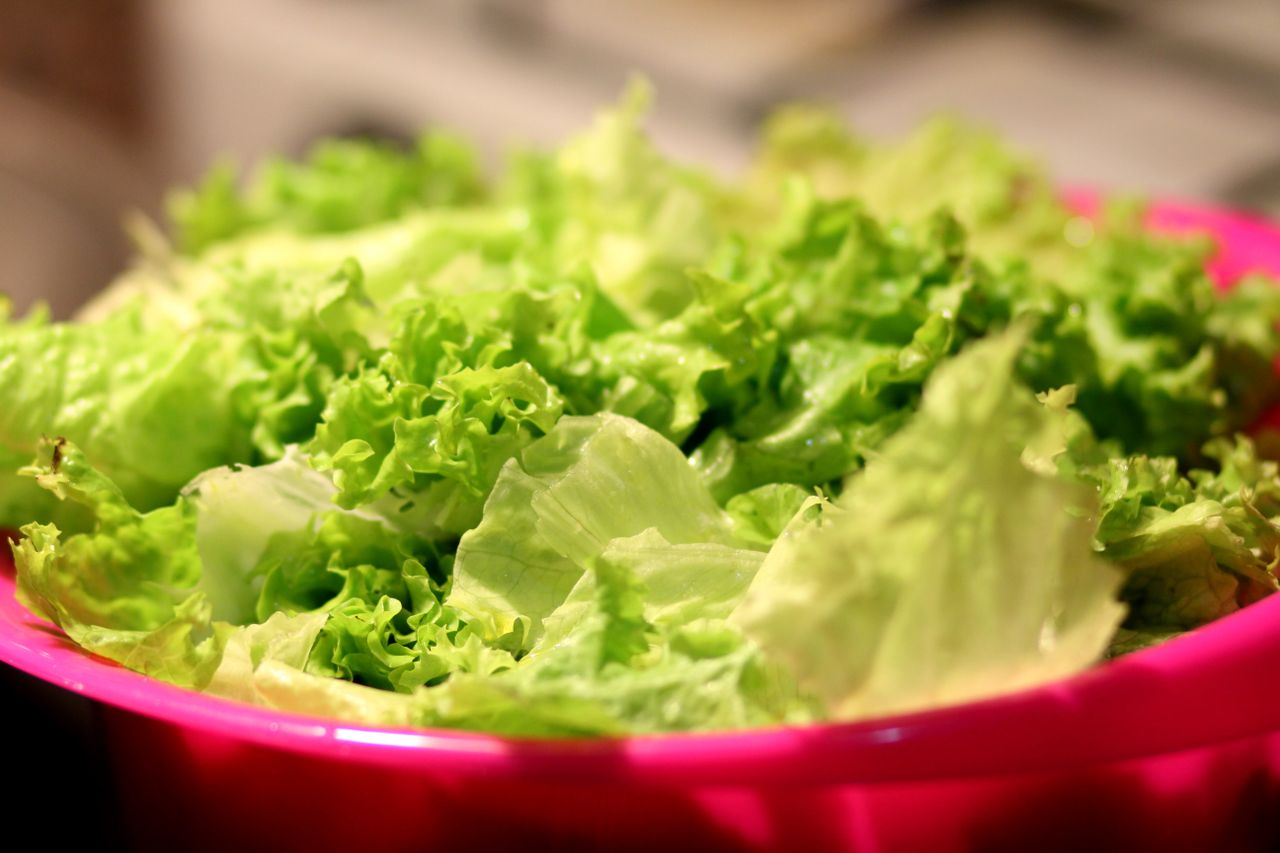
- •The texture of lettuce makes it prone to spreading disease, with many crevices and folds for pathogens to hide
A recent outbreak of cyclosporiasis in the US has sickened over 7,100 people in Michigan, with iceberg lettuce supplied by Taylor Farms being the likely cause. Leafy greens are frequently implicated in foodborne illness cases, with several outbreaks reported in recent years.
By the numbers
Frequency of Outbreaks
There have been several instances of foodborne illness linked to leafy greens in recent years. In 2022, a multistate E. coli outbreak was tied to romaine served on Wendy's sandwiches, and 173 cases of norovirus were linked to Illinois eatery D.C. Cobb's. In 2021, BrightFarms recalled packaged salad greens sold in several states after 31 people got Salmonella. In 2019, 167 people were infected with E. Coli after eating romaine harvested from the Salinas Valley region in California.
Reasons for Contamination
One reason lettuce is a major source of foodborne illness is that many people eat it. Lettuce is the second-most consumed vegetable in the US, and ready-to-eat salads and blends of spring mix pose a particularly acute risk because they contain multiple types of leafy greens from different farms and locations. How lettuce is grown can also expose it to pathogens, with irrigation with untreated surface water being a common source of contamination. The texture of lettuce, with its many crevices and folds, also makes it prone to spreading disease.
Timeline
- 2019167 people infected with E. Coli after eating romaine harvested from the Salinas Valley region in California
- 2020Over 700 cases of cyclosporiasis linked to Fresh Express salad kits
- 2021BrightFarms recalled packaged salad greens sold in several states after 31 people got Salmonella
- 2022Multistate E. coli outbreak tied to romaine served on Wendy's sandwiches
Advertisement
This article was independently rewritten by ManyPress editorial AI from reporting originally published by Wired.