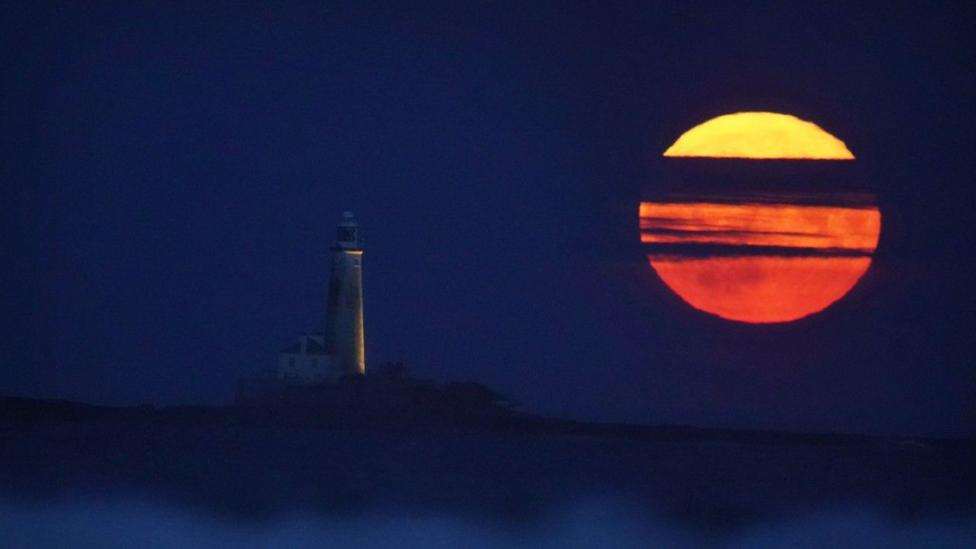
The July full Moon, known as the Buck Moon, will be visible across the UK this week, with peak viewing expected on the nights of July 29 and 30.
Key facts
- •The Buck Moon is the second of three full Moons occurring this summer.
- •The Moon reaches peak fullness at 15:36 BST on July 29.
- •The Perseid meteor shower remains active through July and August.
- •A total solar eclipse will occur on August 12, visible as a partial eclipse in the UK.
- •A partial lunar eclipse is expected on August 28.
The July full Moon, also called the Buck Moon, is set to reach its peak fullness at 15:36 BST on July 29. While the exact moment of peak fullness occurs while the Moon is below the horizon in the UK, it will appear full to the naked eye throughout the nights of Tuesday and Wednesday.
Naming and Origins
The name Buck Moon originates from the time of year when male deer, or bucks, rapidly grow new antlers. The Royal Observatory in Greenwich also identifies it as the Thunder Moon due to frequent summer storms, while it is sometimes called the Hay Moon in reference to the July harvest.
Viewing Conditions
Forecast models suggest favorable viewing conditions for much of the UK on the night of July 29. Central, southern, and eastern England are expected to have largely clear skies. While Scotland, Wales, and Northern Ireland may experience more variable cloud cover and occasional showers, widespread rain is not anticipated.
Upcoming Celestial Events
The summer sky will feature additional events, including the Perseid meteor shower, which peaks overnight from August 12 to August 13. This coincides with a total solar eclipse visible in Spain and northern Portugal, with a partial eclipse visible in the UK. A partial lunar eclipse is also scheduled for the early hours of August 28.
Timeline
- August 12-13The Perseid meteor shower peaks overnight.
- August 12A total solar eclipse occurs, visible as a partial eclipse in the UK.
- August 28A partial lunar eclipse occurs in the early hours.
Advertisement
This article was independently rewritten by ManyPress editorial AI from reporting originally published by BBC Science & Environment.