Iran announced it has finalized geographical coordinates for a shipping route with Oman, though it maintains that full reopening depends on the end of the U.S. naval blockade.
Key facts
- •Iran and Oman have agreed on the geographical coordinates for a new shipping route through the Strait of Hormuz.
- •Tehran states that the agreement does not guarantee safe passage as long as the U.S. maintains a naval blockade.
- •U.S. President Donald Trump warned that the strait must open soon or Iran would be 'hit very hard'.
- •Iranian officials suggested the new route could be a temporary measure lasting two to four months.
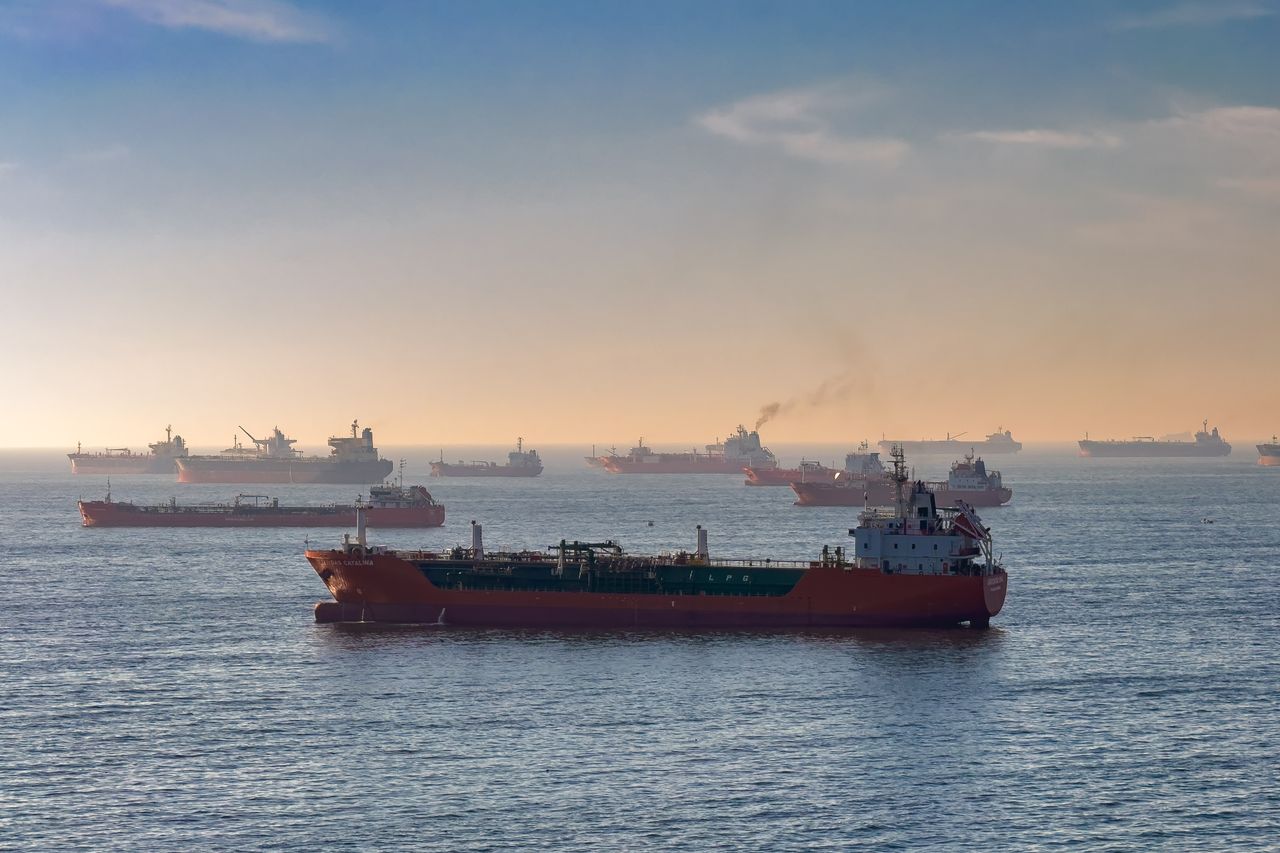
- •The Strait of Hormuz is a critical transit point for approximately one-fifth of the world's oil and liquefied natural gas.
Iran and Oman have reached an agreement on the geographical coordinates for a proposed shipping route through the Strait of Hormuz. Iranian Foreign Ministry spokesman Esmaeil Baghaei stated that the two nations are finalizing a joint statement covering technical, legal, and security aspects. However, Tehran maintains that the strait's reopening is contingent upon the U.S. ending its naval blockade of Iranian ports.
Negotiation Status and Disagreements
The agreement follows two months of negotiations between Iran and Oman. While Iranian officials stated the talks are independent of the United States, U.S. President Donald Trump claimed in a Fox News interview that the U.S. is involved in the process, which he described as moving along well. Iran’s Deputy Foreign Minister Kazem Gharibabadi indicated that the proposed route would be temporary, potentially remaining open for two to four months.
Security and Sovereignty Concerns
A central point of contention remains Iran's claim of sovereign control over the waterway and its stated intent to charge passage fees, a position rejected by the U.S. and Gulf countries who advocate for free navigation under the UN Convention on the Law of the Sea. Iran has largely blocked the strait since late February, following attacks involving the U.S. and Israel, leading to significant fluctuations in global oil and liquefied natural gas prices.
Timeline
- JuneIran and the U.S. signed a Memorandum of Understanding intended to end fighting and reopen the strait.
- Late FebruaryThe U.S. and Israel attacked Iran, leading to the blockage of the Strait of Hormuz.
- WednesdayIran announced it had finalized the geographical coordinates for a shipping route with Oman.
Advertisement