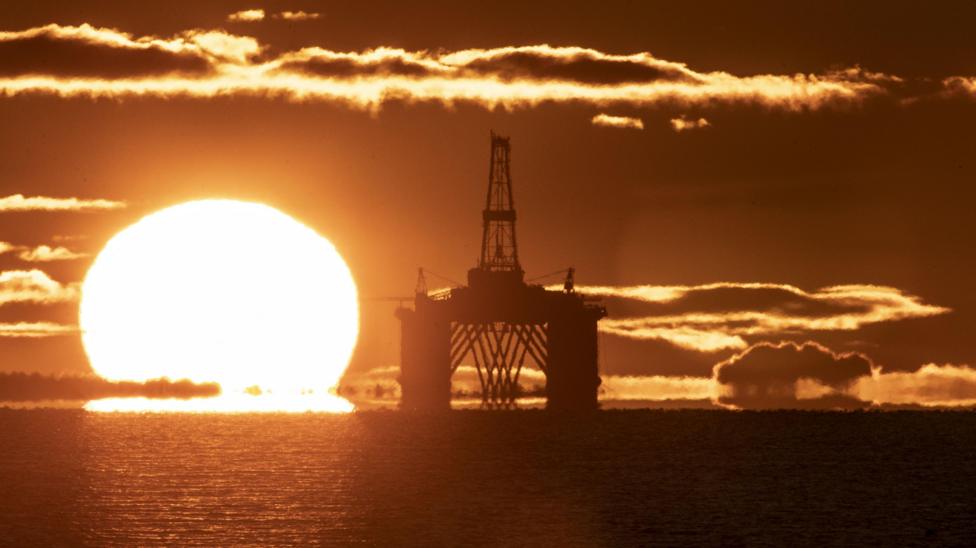
As Andy Burnham prepares to take office, his administration faces critical decisions regarding North Sea oil and gas licensing, existing field approvals, and the Energy Profits Levy.
Key facts
- •Labour's 2024 manifesto pledge to issue no new oil and gas licenses remains in effect.
- •Public consultations regarding the Rosebank and Jackdaw fields are set to close in August.
- •The current Energy Profits Levy has a headline tax rate of 78% regardless of price fluctuations.
- •The government has permitted 'tie-backs' to allow production in unlicensed areas near existing infrastructure.
- •The Energy Profits Levy is scheduled for replacement by a different windfall tax structure in 2030.
Incoming Prime Minister Andy Burnham is expected to maintain Labour's 2024 manifesto pledge to issue no new oil and gas licenses while honoring existing ones. Labour's deputy leader, Lucy Powell, indicated that while the party remains committed to its manifesto, there will be a change of emphasis in approach. The government intends to work with the industry to integrate North Sea resources into a long-term energy transition strategy.
By the numbers
Status of Rosebank and Jackdaw Fields
The new government will not immediately approve the Rosebank and Jackdaw fields upon taking office. Previous approvals for these sites by the Conservative government are currently being reconsidered following a successful legal challenge by Greenpeace and Uplift, who argued that climate impacts were not fully assessed. The Offshore Petroleum Regulator for Environment and Decommissioning (Opred) is conducting a review process, with public consultations scheduled to conclude in August.
Exploration Licenses and Industry Trends
While the government has pledged to ban new exploration licenses, it has permitted 'tie-backs,' which allow production in unlicensed areas connected to existing infrastructure. Industry interest in exploring entirely new seabed areas has waned, as major companies like BP, Shell, and TotalEnergies have sold assets to smaller operators focused on extracting resources from known fields rather than new exploration.
The Energy Profits Levy Debate
A significant point of focus for the industry is the Energy Profits Levy (EPL), or windfall tax, which currently carries a headline rate of 78%. Industry representatives argue this tax discourages investment in the North Sea. While the levy is scheduled to be replaced in 2030 by a tax triggered only during high price periods, industry stakeholders are pushing for earlier adjustments to stimulate economic investment and job security.
Advertisement
This article was independently rewritten by ManyPress editorial AI from reporting originally published by BBC Business.