Germany's gas storage facilities are at 50.14% capacity, the lowest mid-August level in years, as market disruptions and high prices complicate winter supply targets.
Key facts
- •Germany's underground natural gas stores stood at 50.14% on Wednesday.
- •The EU average for gas storage is 61%, down nearly 17% from last year.
- •FNB Gas warned that the government's 71% storage target for November 1 is likely unattainable.
- •The Dutch TTF benchmark price is approximately €65 per megawatt-hour.
- •Verivox estimates potential additional costs of €400 for a typical single-family home.
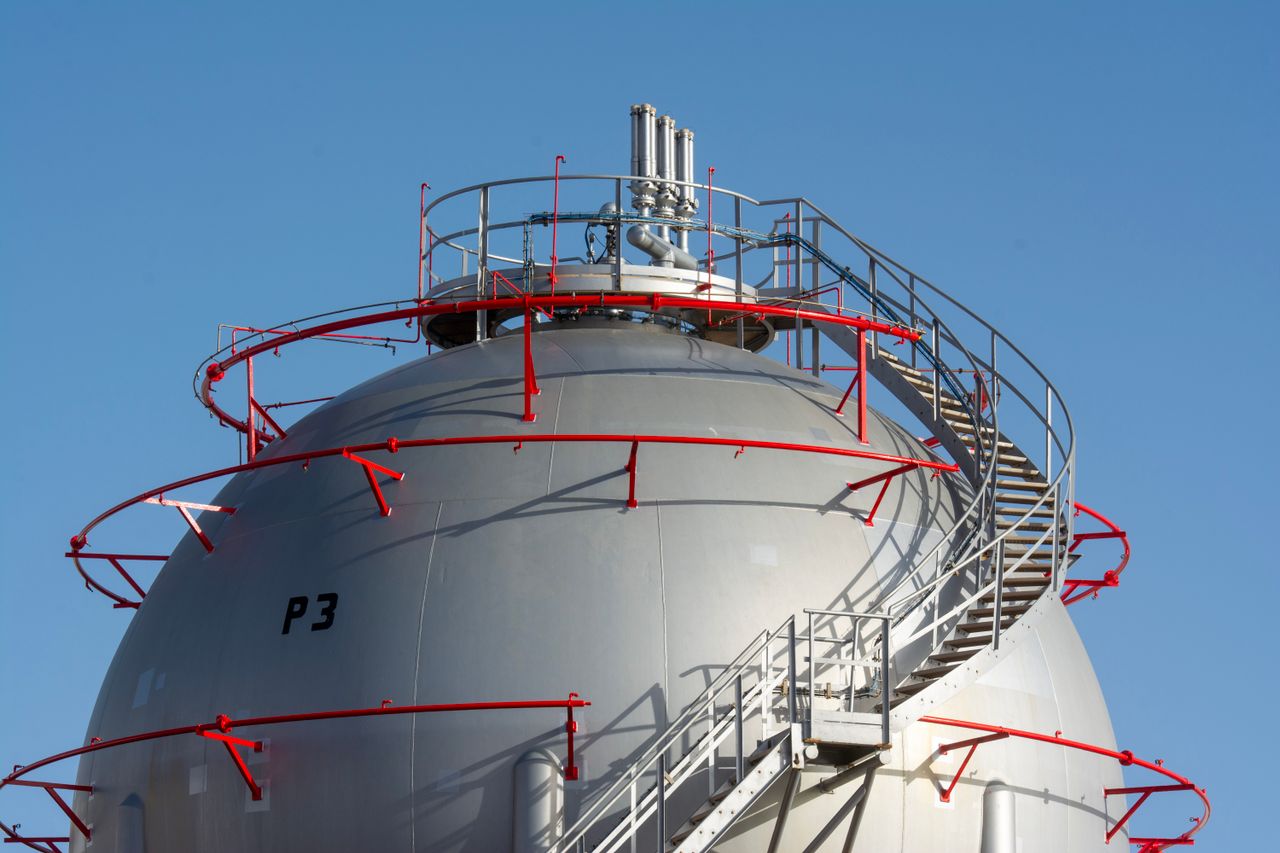
Germany's gas storage facilities are currently just over half full, reaching 50.14% as of Wednesday. This level is the lowest for mid-August in several years and is significantly lower than in 2023 and 2024. Industry experts and officials attribute the shortfall to global market disruptions linked to the ongoing conflict involving Iran and the closure of the Strait of Hormuz.
By the numbers
Market Factors and Supply Challenges
Traders are currently hesitant to fill storage facilities because high global prices for natural gas and LNG reduce the incentive to buy during the summer for winter resale. The benchmark Dutch TTF gas price reached approximately €65 per megawatt-hour on Thursday, roughly double the price from the same period last year. Additionally, Germany faces stiff competition from Asian markets for limited LNG supplies. While the German government has urged private energy trading firms to increase storage levels, some market participants are betting on a potential price drop if the conflict in the region ends. Lawmakers have criticized this approach as speculative, while the association of gas transmission operators, FNB Gas, stated that the government's target of 71% storage by November 1 is now virtually unattainable.
Winter Outlook and Consumer Impact
Consumer groups are warning of potential price increases for households this winter. The Federation of German Consumer Organizations has advised consumers to check for fixed-price contracts to mitigate the risk of rising costs. According to the price comparison site Verivox, a single-family home consuming 20,000 kWh annually could face approximately €400 in additional costs. Despite these concerns, the German Economy Ministry maintains that the country's gas supply remains secure, noting that new floating and onshore LNG terminals built since the 2022/23 energy crisis have increased import capacity.
Advertisement
This article was independently rewritten by ManyPress editorial AI from reporting originally published by Deutsche Welle Business.