Françoise Combes, head of the French Academy of Sciences, addresses public skepticism of science, the nature of dark matter, and the practical realities of space exploration.
Key facts
- •Françoise Combes identifies science and war as the two primary historical drivers of technological progress.
- •Dark matter is studied indirectly through gravitational lensing, which maps how mass bends light from distant galaxies.
- •Combes argues that most space-related spending supports practical infrastructure like telecommunications and climate monitoring rather than scientific research.
- •The head of the French Academy of Sciences believes living on Mars is not currently feasible due to the planet's lack of habitability.
Françoise Combes, head of the French Academy of Sciences, recently discussed the challenges of communicating scientific concepts to the public and the role of space exploration in technological progress. She addressed topics ranging from the persistence of Flat Earth theories to the scientific search for dark matter and the practical utility of satellite infrastructure.
Addressing Scientific Skepticism and Dark Matter
Combes suggests that belief in theories like a flat Earth often stems from a reaction against scientific authority rather than a genuine rejection of evidence. Regarding complex topics like dark matter and dark energy, she explains that scientists currently face a gap in knowledge. Researchers are investigating whether this missing matter consists of undiscovered particles or if current laws of gravity require modification. While dark matter cannot be seen directly, Combes notes that it is mapped through gravitational lensing, which observes how mass distorts the light of background galaxies.
The Role of Space Exploration
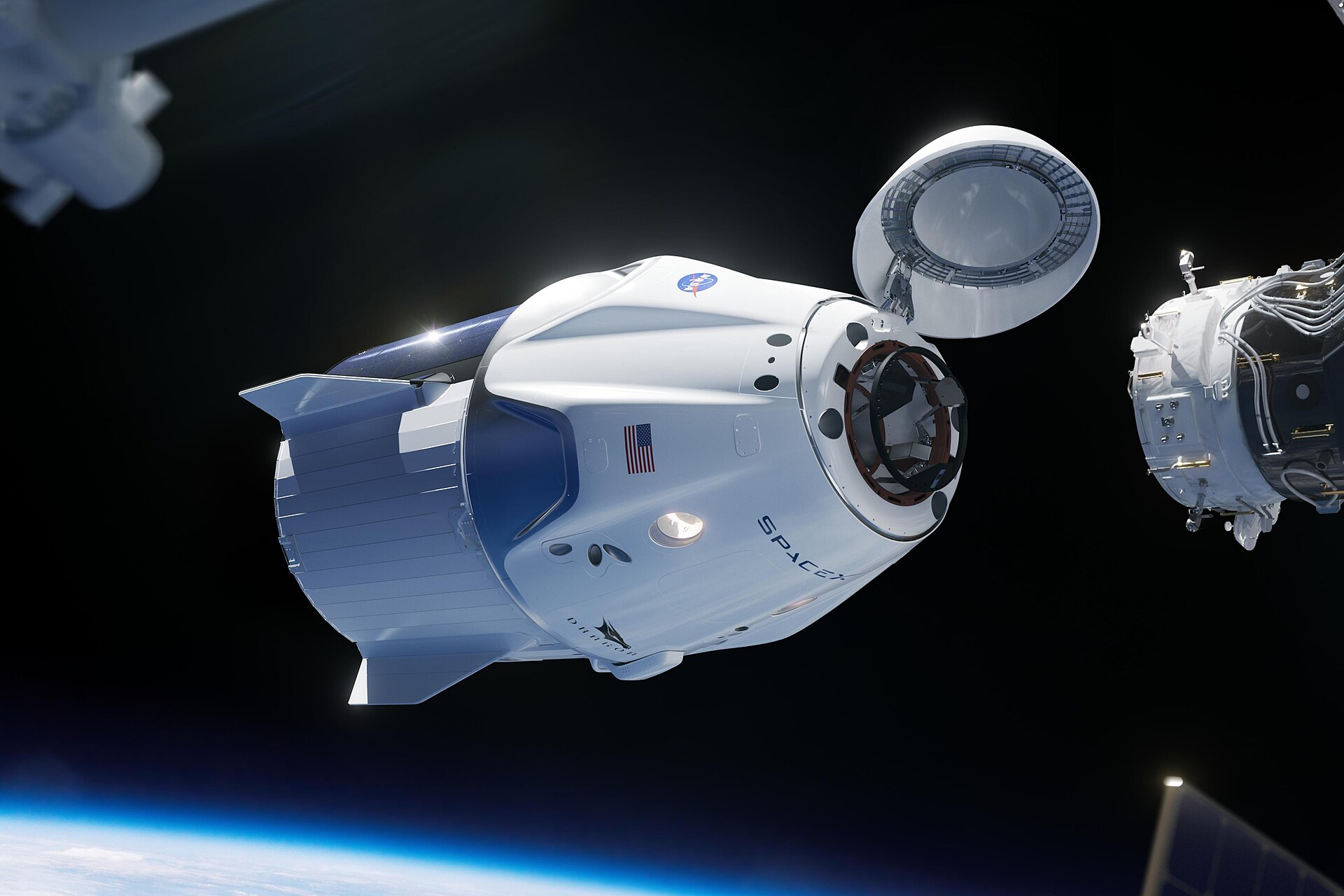
While acknowledging that space exploration is a driver of innovation, Combes expressed skepticism regarding the habitability of Mars. She emphasized that the vast majority of space spending is not directed toward scientific research, but rather toward practical applications such as telecommunications, agriculture, and climate monitoring via satellites. She noted that thousands of satellites currently orbit the Earth to support these functions.
Advertisement
This article was independently rewritten by ManyPress editorial AI from reporting originally published by EUobserver.