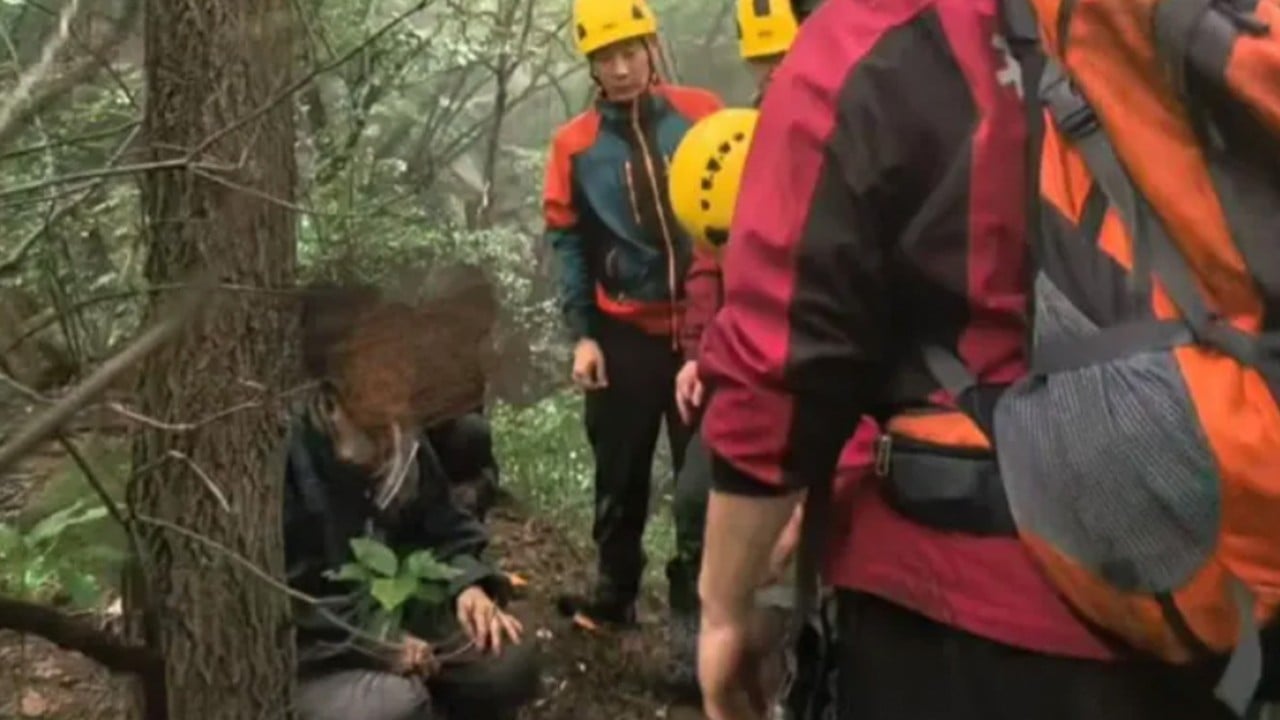
Zagreb is defined by an extensive network of parks, forests, and lakes that serve as both recreational hubs and essential urban cooling systems.
Key facts
- •Lenuci’s Green Horseshoe is a 1.2-mile continuous green corridor designed in the late 19th century.
- •The Zagreb Botanical Garden contains between several thousand and over 10,000 plant taxa.
- •Maksimir Park, established in 1794, covers approximately 316 hectares and is a protected cultural monument.
- •Medvednica mountain features the Sljeme peak, which reaches an elevation of 1,033 meters.
- •Zagreb Zoo, located within Maksimir Park, has been in operation since 1925.
Zagreb is recognized as one of the most heavily forested capitals in the European Union. The city features a diverse array of green spaces, ranging from 19th-century urban parks and botanical gardens to expansive lakes and the mountainous Medvednica Nature Park, all integrated into the capital's daily life.
By the numbers
Lenuci’s Green Horseshoe
Designed by urban planner Milan Lenuci in the late 19th century, this U-shaped sequence of parks and squares frames the city's Lower Town. The corridor stretches for roughly 1.2 miles, connecting promenades, monuments, and public buildings. Zrinjevac, a central part of this network, features mature plane trees and a music pavilion that hosts concerts and dance events.
Botanical and Historic Parks
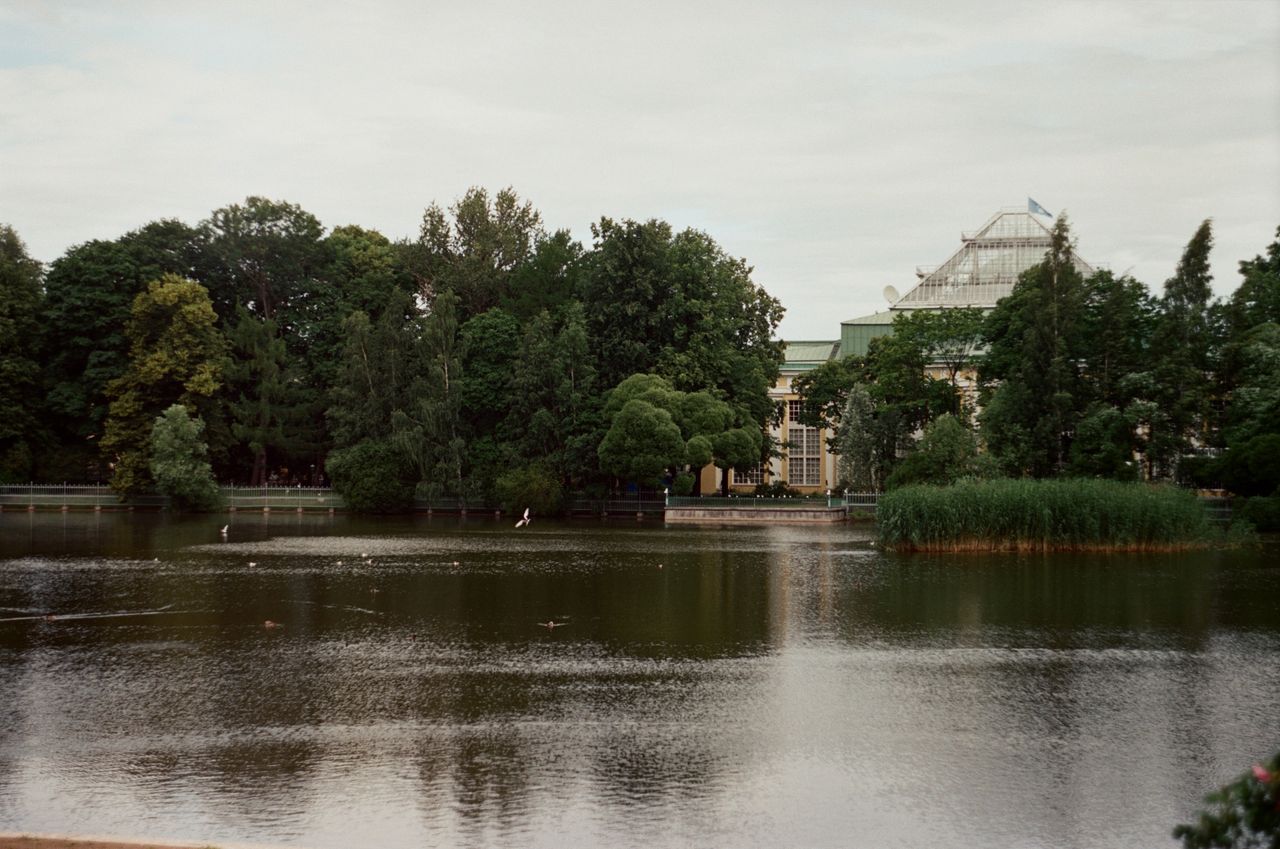
The Zagreb Botanical Garden, established in 1889, spans five hectares and houses thousands of plant taxa, including native, alpine, and exotic species. Maksimir Park, founded in 1794, is the city's largest green space at approximately 316 hectares. It features English Romantic-style landscapes, five artificial lakes, and the Zagreb Zoo, which opened in 1925.
Lakes and Mountainous Terrain
Bundek Park and Jarun Lake provide waterside recreation, including swimming, cycling, and festival venues. To the north, Medvednica mountain offers a protected nature park with hiking trails and the 1,033-meter Sljeme peak. These areas provide residents and visitors with accessible outdoor space for recreation and relief from summer heat.
Timeline
- 1794Maksimir Park was opened to the public.
- 1889The Zagreb Botanical Garden was formally established.
- 1925Zagreb Zoo was opened.
Advertisement
This article was independently rewritten by ManyPress editorial AI from reporting originally published by Total Croatia News.