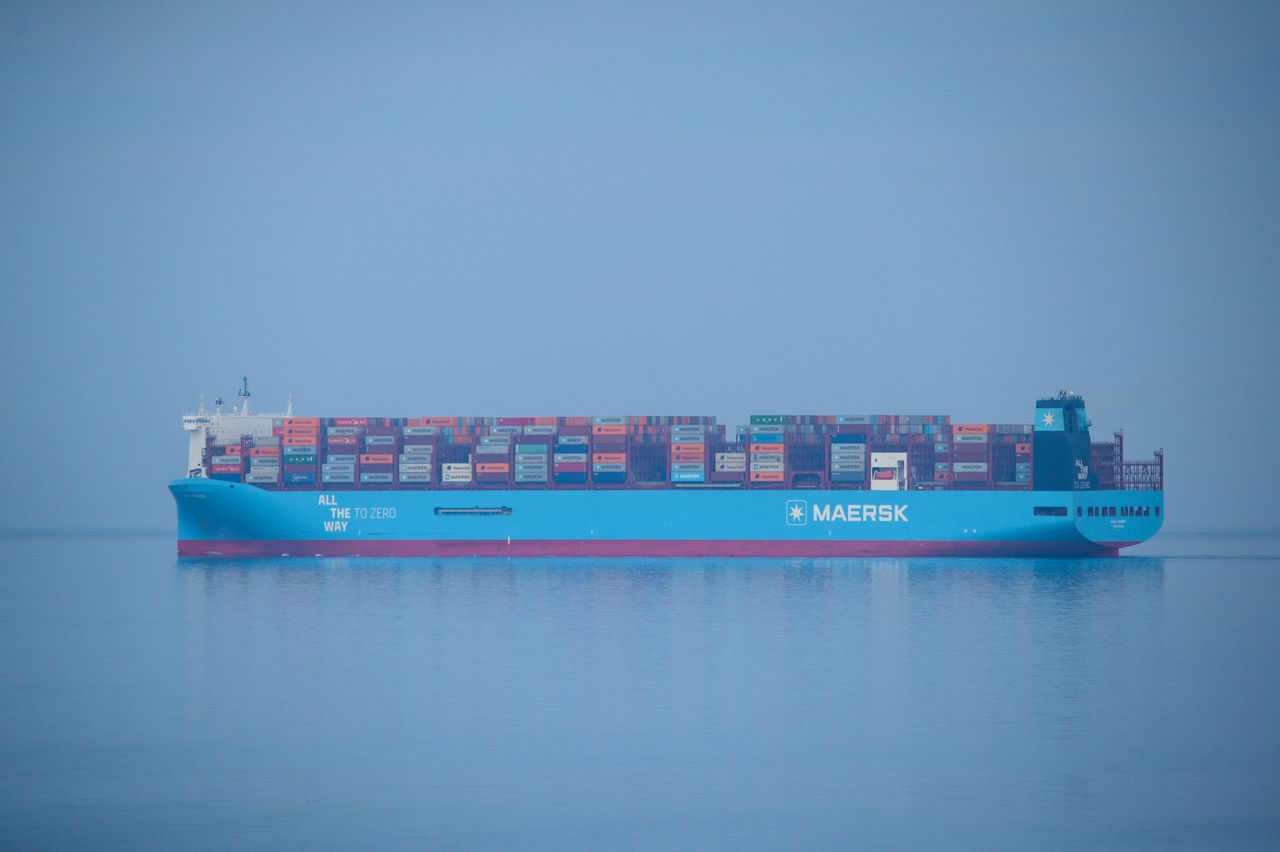
The European Union is considering a concession in its 21st sanctions package to allow Greek shipping firm Dynagas to continue transporting Russian liquefied natural gas.
Key facts
- •The European Union is considering an exemption for Greek shipping company Dynagas to transport Russian LNG.
- •The proposed agreement would allow transport to third countries for 12 months, with a potential for extension.
- •Transport volumes under the agreement would be capped at 2025 levels.
- •The measure is reportedly part of the EU's 21st package of sanctions against Russia.
- •The agreement still requires formal approval from all 27 EU member states.
The European Union is preparing to grant an exemption that would allow the Greek shipping company Dynagas to continue transporting Russian-produced liquefied natural gas (LNG). This concession is expected to be part of the bloc's 21st package of sanctions against Russia, according to reports from the Financial Times. The agreement, which still requires approval from all 27 EU member states, would permit the transport of Russian LNG to third countries.
Terms of the Proposed Agreement
Under the proposed terms, companies would be authorized to transport Russian LNG to third countries for a period of 12 months, with the possibility of an extension. However, the agreement includes a provision that would cap transport volumes at 2025 levels.
Context of EU Sanctions Negotiations
The potential exemption follows opposition from Greece, which raised concerns that a ban on transporting Russian LNG would negatively impact the shipping firm Dynagas. Reports indicate that other EU nations are also seeking specific exemptions within the 21st sanctions package: Germany and Portugal are pursuing exceptions for Russian fish purchases, France and Italy are requesting relaxed visa policies, and Austria is seeking to unfreeze assets linked to Raiffeisen Bank. Meanwhile, Politico reported that EU authorities have struggled to identify new sanctions measures that would not harm the bloc's own member states.
Timeline
- July 19The Financial Times reported that Greece opposed new sanctions due to the potential impact on Dynagas.
- WednesdayPolitico reported that EU authorities were struggling to find new sanctions measures that would not harm member states.
- July 23The Financial Times reported that the EU is prepared to make concessions regarding the transportation of Russian LNG.
Advertisement
This article was independently rewritten by ManyPress editorial AI from reporting originally published by TASS (English).