
Military strikes have resumed between the U.S. and Iran following the collapse of a June 17 memorandum of understanding, as both nations face internal political pressure and economic strain.
Key facts
- •The Islamabad MoU, signed June 17, was an interim framework that provided for a 60-day negotiation period and the downblending of uranium stockpiles.
- •U.S. President Donald Trump declared that war was resuming on July 7, and Iran suspended its obligations under the agreement on July 13.
- •The U.S. conducted strikes on more than 80 targets in early July following attacks on commercial tankers.
- •Two American soldiers were killed in a missile strike on a base in Jordan, the first such losses since March.
- •Iran's ballistic missile stockpile is assessed to be significantly depleted, with its production base substantially damaged.
The United States resumed nightly strikes on Iranian territory in mid-July, prompting retaliatory missile and drone attacks from Iran against U.S.-hosting Gulf states. This escalation follows the breakdown of a 14-point memorandum of understanding (MoU) signed in Islamabad on June 17, which had intended to halt hostilities. Commercial transit through the Strait of Hormuz has effectively stopped, and war-risk insurance premiums have surged to 10% of vessel values.
By the numbers
Military Escalation and Strategic Targets
U.S. military operations have systematically targeted Iranian coastal radar, anti-ship missile infrastructure, and fast-attack craft, while also destroying bridges and rail lines connecting Bandar Abbas to the interior. Iran has responded by targeting American radar and logistics infrastructure across the region. While nuclear facilities remain untouched, reports of additional aerial refueling aircraft moving toward the region suggest preparations for deeper operations.
Domestic Political Pressures
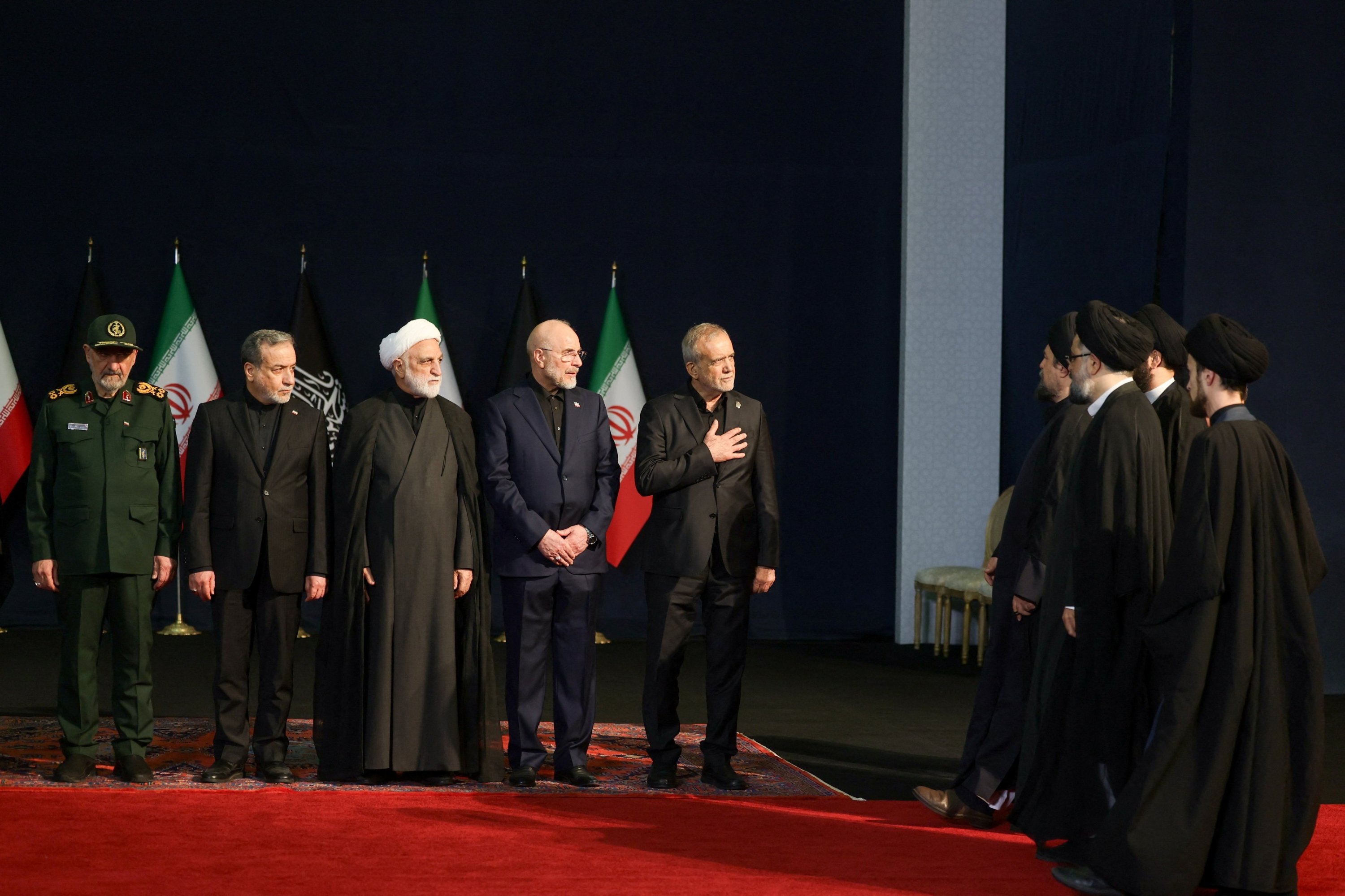
In Tehran, the leadership is divided, with hardline factions viewing the MoU as a capitulation. President Masoud Pezeshkian and his negotiating team face significant public and political backlash, including physical assaults on officials. Conversely, the U.S. administration faces growing domestic dissent, with congressional resolutions calling for troop withdrawals and public support for the war dropping to approximately one-third.
Regional and Global Implications
The conflict has created a stalemate where neither side can easily retreat due to domestic political costs. Israel, currently heading toward elections in late October, has criticized the MoU as a failure, while Arab capitals are reportedly urging Washington to de-escalate. The future of the agreement remains uncertain as both nations grapple with the economic consequences of the blockade and the potential for further military expansion.
Timeline
- June 17The U.S. and Iran signed a 14-point memorandum of understanding in Islamabad.
- Late JuneIranian missiles struck American bases in Kuwait and Bahrain.
- July 7President Donald Trump declared that the war with Iran was resuming.
- July 13Tehran officially suspended its obligations under the memorandum of understanding.
Advertisement
This article was independently rewritten by ManyPress editorial AI from reporting originally published by Daily Sabah.