New government regulations will prohibit the sale of high-caffeine energy drinks to children under 16 in England starting in April.

ManyPress
ManyPress Editorial
Key facts
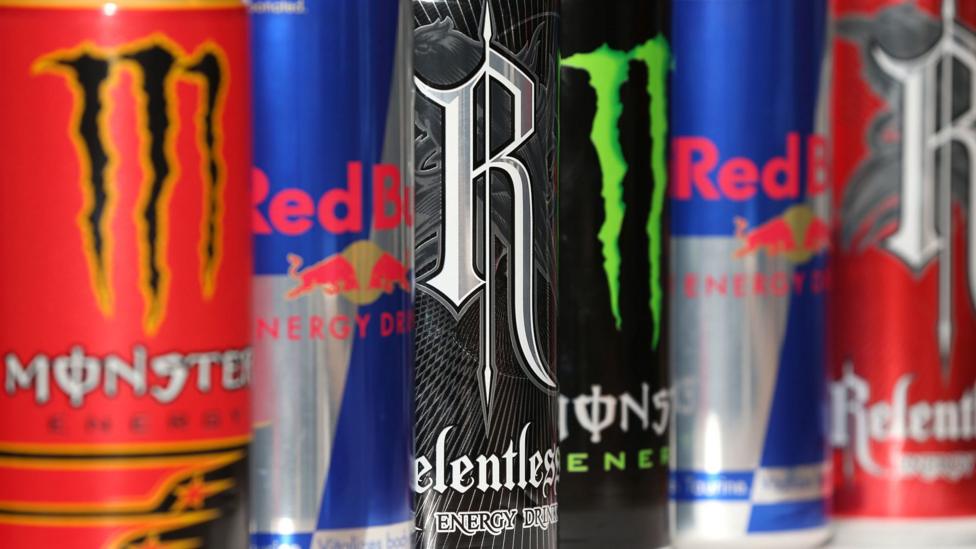
- •The ban applies to drinks with more than 150mg of caffeine per litre, such as Red Bull, Monster, Relentless, and Prime.
- •Approximately 100,000 children in England consume energy drinks on a daily basis.
- •Retailers face fines of up to £2,500 for selling restricted drinks to individuals under 16.
- •The government cited concerns over anxiety, sleep problems, and obesity as primary drivers for the policy.
- •Tea and coffee are explicitly excluded from the new regulations.
The English government has announced a ban on the sale of high-caffeine energy drinks to children under 16, effective this coming April. The new regulations will apply to any drink containing more than 150mg of caffeine per litre, excluding tea and coffee. The measure aims to improve children's health and educational outcomes by curbing the consumption of drinks associated with anxiety, sleep disruption, and obesity.
By the numbers
Scope and Enforcement
The ban covers sales in shops, restaurants, cafes, vending machines, and online platforms. Retailers will be responsible for compliance, with enforcement handled by local authorities. Businesses found in violation of the new rules face potential fines of up to £2,500. The legislation will be implemented via secondary legislation under the Food Safety Act 1990.
Health Rationale
Public Health Minister Sharon Hodgson stated that the policy reflects a commitment to creating the healthiest generation of children. Officials noted that approximately 100,000 children in England consume energy drinks daily. Health experts have linked excessive consumption to physical and mental health issues, including rapid heart rates, seizures, and poor concentration, noting that children are more sensitive to caffeine due to their smaller body size and developing brains.
Industry and Public Response
The policy follows a public consultation that drew 1,100 responses, which the government reported showed strong support for age restrictions. Katharine Jenner of the Obesity Health Alliance praised the move as a common-sense step to protect children's wellbeing. Conversely, the British Soft Drinks Association described the proposed ban as unnecessary.
Advertisement
This article was independently rewritten by ManyPress editorial AI from reporting originally published by BBC Health, The Guardian Health.