
Residents of Tyumen report foul-smelling tap water and dead fish in the Tura River, prompting a federal criminal investigation into safety standards.
Key facts
- •The Tura River's water level reached 846 centimeters on July 25, just short of the 850-centimeter critical mark.
- •Russia's Investigative Committee opened a criminal case on July 24 regarding the provision of unsafe services.
- •The Tyumen region recorded 260% of its normal monthly precipitation in June, which officials linked to the river's oxygen depletion.
- •Rospotrebnadzor has recommended that residents drink only bottled water and boil tap water before use.
- •Infectious disease specialist Gennady Umansky warned that contact with the river water poses risks for illnesses like hepatitis A and rotavirus.
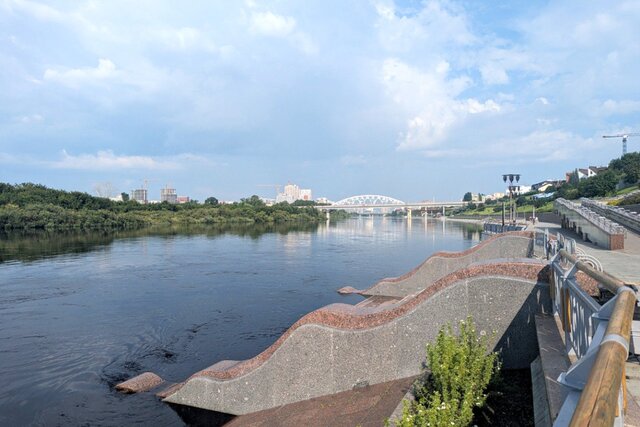
Russia’s Investigative Committee has opened a criminal case regarding the provision of services failing to meet safety requirements in Tyumen. The action follows widespread complaints from residents about a foul smell emanating from the Tura River and their tap water, as well as reports of dead fish along the riverbanks. Committee chairman Alexander Bastrykin has demanded a progress report on the investigation.
By the numbers
Environmental Concerns and Water Quality
The water quality issues began in mid-June, with residents observing dead fish in local lakes and the Tura River. Local authorities and the Federal Fisheries Agency attributed the die-off to oxygen starvation caused by record rainfall, which they say washed organic matter into the river and depleted oxygen levels. Specialists reported no evidence of industrial waste. By mid-July, residents began reporting a foul, swampy, or kerosene-like odor in their tap water. While Rospotrebnadzor has increased laboratory monitoring and recommended that residents boil tap water or use bottled water, some citizens have reported health issues including conjunctivitis, cystitis, and intestinal infections. Infectious disease specialist Gennady Umansky has advised against swimming in the river or coming into contact with the water or dead fish.
Flood Risks and Monitoring
As of July 25, the Tura River's water level reached 846 centimeters, nearing the critical 850-centimeter threshold. Authorities have identified 146 homes within the potential flood zone and are preparing temporary shelters for residents. Officials continue to monitor the water supply daily, though some residents have expressed frustration with the official responses to their complaints.
Timeline
- Mid-JuneResidents first noticed fish dying in lakes and the Tura River.
- July 16The agency began stepped-up laboratory monitoring of the Tura River and the distribution network.
- July 17Local authorities attributed the fish die-off to oxygen starvation.
- July 24The Investigative Committee opened a criminal case regarding service safety.
- July 25The Tura River water level reached 846 centimeters.
Advertisement
This article was independently rewritten by ManyPress editorial AI from reporting originally published by Meduza (English).