Chinese diplomat Wang Yi visited South Korea, where he declined to support Seoul's push for multiparty peace talks regarding North Korea.
Key facts
- •Wang Yi declined to back South Korea's proposal for multiparty peace talks with North Korea.
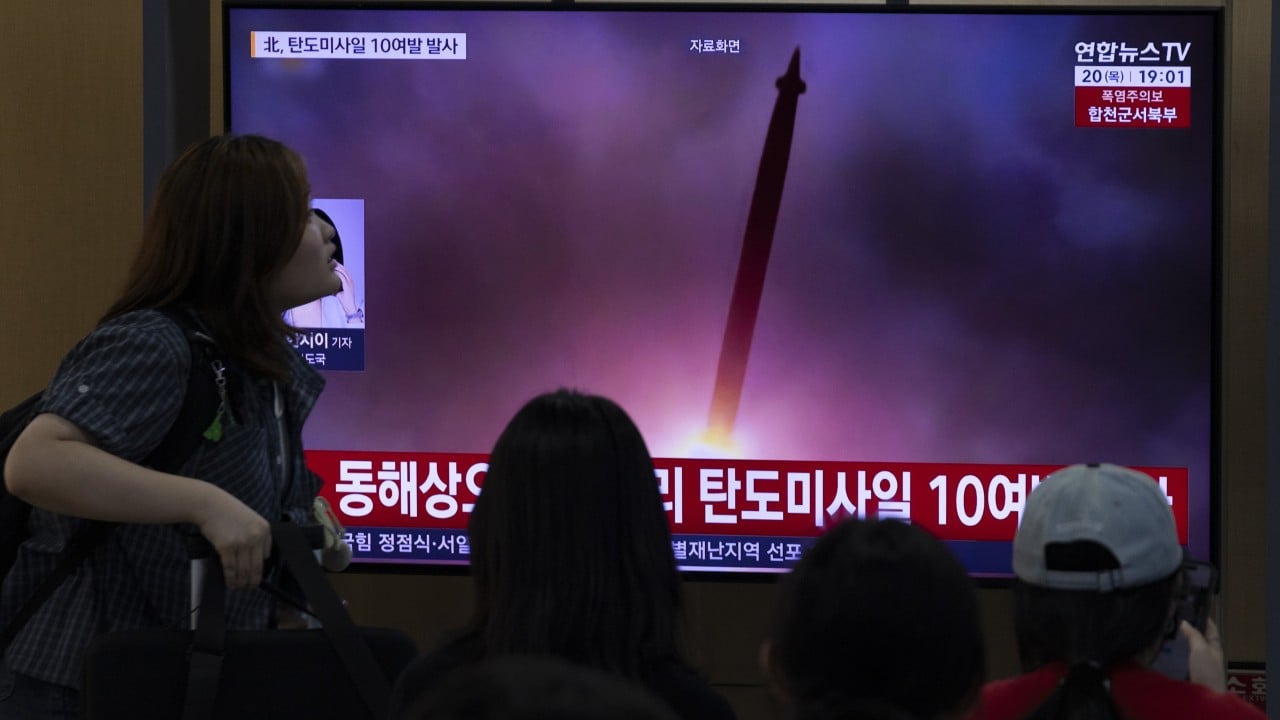
- •North Korea launched more than 10 short-range ballistic missiles on Thursday.
- •South Korea's presidential office held an emergency security meeting following the missile launches.
- •Wang urged South Korean officials to maintain strategic autonomy and avoid bloc confrontations.
- •Both countries declared that bilateral relations have fully recovered after years of tension.
Chinese Foreign Minister Wang Yi finished a two-day visit to South Korea on Friday. During the trip, he declined to support Seoul's initiative for multiparty peace talks involving North Korea. The visit occurred as North Korea conducted more than 10 short-range ballistic missile launches on Thursday, triggering an emergency security meeting in Seoul.
Diplomatic Messaging and Bilateral Ties
While both nations stated that bilateral ties have fully recovered following years of strain, Wang Yi delivered a specific message to South Korean officials, including President Lee Jae Myung. He urged the country to pursue strategic autonomy and avoid taking sides in bloc confrontations, suggesting that Seoul should develop relations with Beijing and Washington in a mutually compatible manner.
Regional Context
Wang’s visit followed President Xi Jinping’s trip to Pyongyang in June, which was the first such visit in seven years. The timing of Wang's trip also coincided with US President Donald Trump’s decision to reduce joint military exercises with South Korea and his call for further negotiations with the North.
Timeline
- JunePresident Xi Jinping visited Pyongyang for the first time in seven years.
- ThursdayNorth Korea launched more than 10 short-range ballistic missiles.
- FridayWang Yi concluded his two-day visit to South Korea.
Advertisement
This article was independently rewritten by ManyPress editorial AI from reporting originally published by South China Morning Post.