
Central Asia has become a dynamic destination for foreign direct investment, with total investment inflows reaching $24.8 billion in 2024.
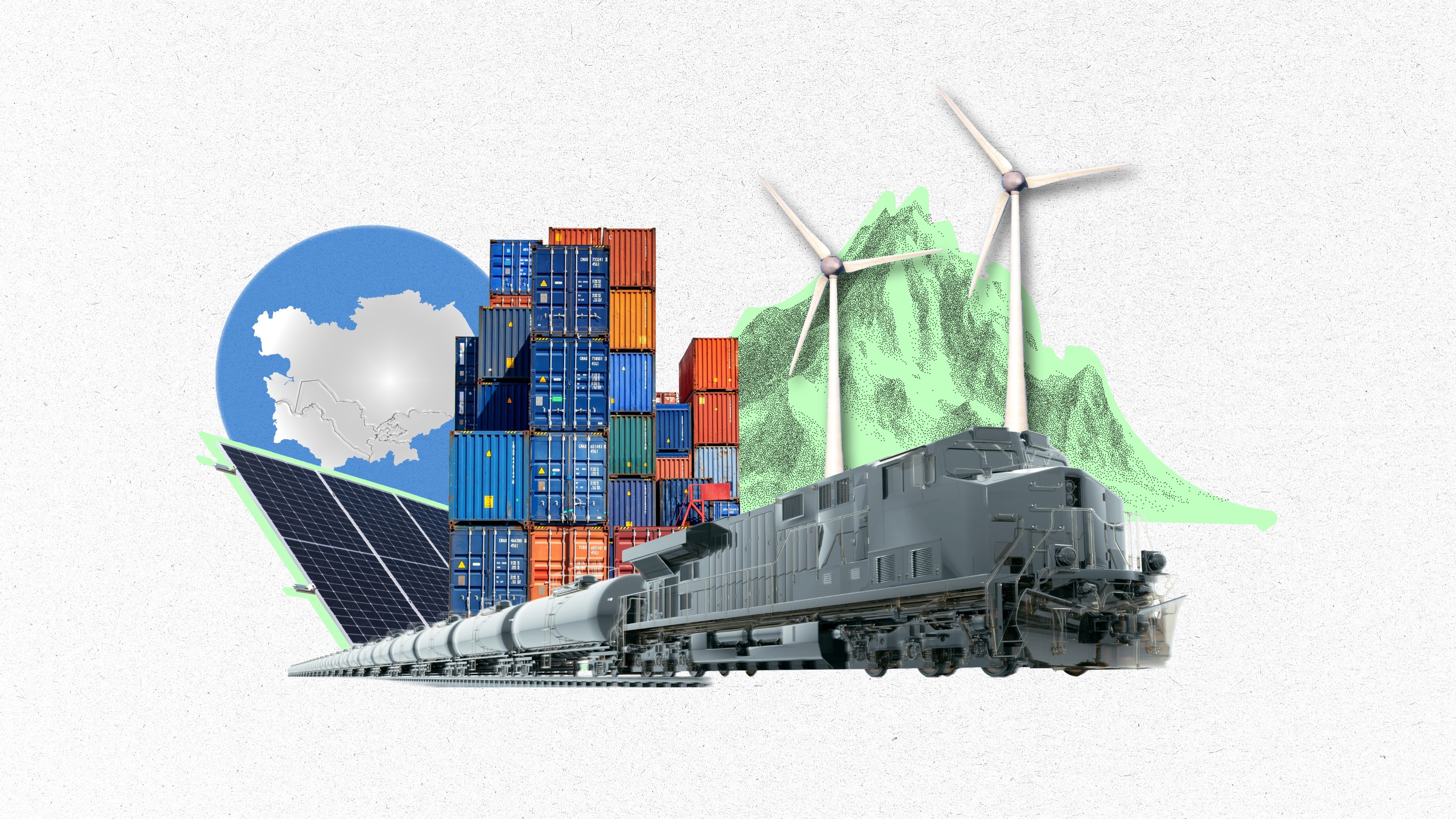
Key facts
- •Total investment inflows into Central Asia reached $24.8 billion in 2024.
- •Kazakhstan's gross foreign direct investment inflows amounted to $20.4 billion in 2025, marking a 14.5% increase compared to 2024.
- •Uzbekistan's total volume of utilized foreign direct investment reached $38.2 billion by the end of 2025.
- •The energy sector remains the largest recipient of foreign capital, with a larger share of financial resources allocated to renewable energy projects.
- •Manufacturing has emerged as the second major destination for foreign investment, with major projects concentrated in machinery, textiles, and construction materials production.
- •The transport and logistics sector has become one of the most dynamic areas for foreign investment.
The global economy's uncertainty has led international investors to seek destinations with a favorable combination of economic prospects and relative stability. Central Asia has emerged as one of the world's most dynamic regions for foreign direct investment. In 2024, total investment inflows into the region reached a record $24.8 billion, with Uzbekistan and Kazakhstan playing a leading role.
By the numbers
Investment Landscape
Central Asia's strengthening position as an investment destination is underpinned by a rich natural resource base, a highly strategic geographical location, and sustained improvements in the institutional environment. The region serves as a supplier of natural resources, a strategic transit bridge, and an emerging market with expanding domestic demand. The combined population of the region exceeds 80 million people, with a relatively young demographic profile and rapid urbanization creating additional investment opportunities.
Sectoral Composition
The period 2024-2026 has witnessed a structural shift in the sectoral composition of investment across the region. The energy sector remains the largest recipient of foreign capital, but its investment structure is undergoing transformation, with a larger share of financial resources allocated to renewable energy projects and energy efficiency improvements. Manufacturing has emerged as the second major destination for foreign investment, with major projects concentrated in machinery, textiles, and construction materials production.
Key Sectors
The transport and logistics sector has become one of the most dynamic areas for foreign investment, reflecting Central Asia's rising importance as a strategic transit corridor. The digital economy is also gaining stronger investor interest, with investment in information technologies and telecommunications reaching approximately $900 million in 2024. Agriculture and agro-processing continue to play an important role in the regional investment landscape, accounting for approximately 5%-7% of total foreign direct investment inflows.
Uzbekistan's Transformation
Uzbekistan has emerged as the most rapidly developing economy in Central Asia, undertaking a far-reaching transformation of its investment climate through foreign exchange liberalization, tax reforms, and the establishment of special economic zones. The composition of foreign capital inflows has become more diversified, shifting away from traditional sectors toward energy, transport infrastructure, the digital economy, and manufacturing. The 5th Tashkent International Investment Forum reinforced Uzbekistan's position as the region's leading investment destination.
Timeline
- 2024Total investment inflows into Central Asia reached $24.8 billion
- 2025Kazakhstan's gross foreign direct investment inflows amounted to $20.4 billion
- 2025Uzbekistan's total volume of utilized foreign direct investment reached $38.2 billion
- 2026The 5th Tashkent International Investment Forum reinforced Uzbekistan's position as the region's leading investment destination
Advertisement
This article was independently rewritten by ManyPress editorial AI from reporting originally published by Daily Sabah.


